Healthier habits, one read at a time.
Science-backed nutrition, GLP-1 guidance, recipes, and real stories from the Viivaa community.
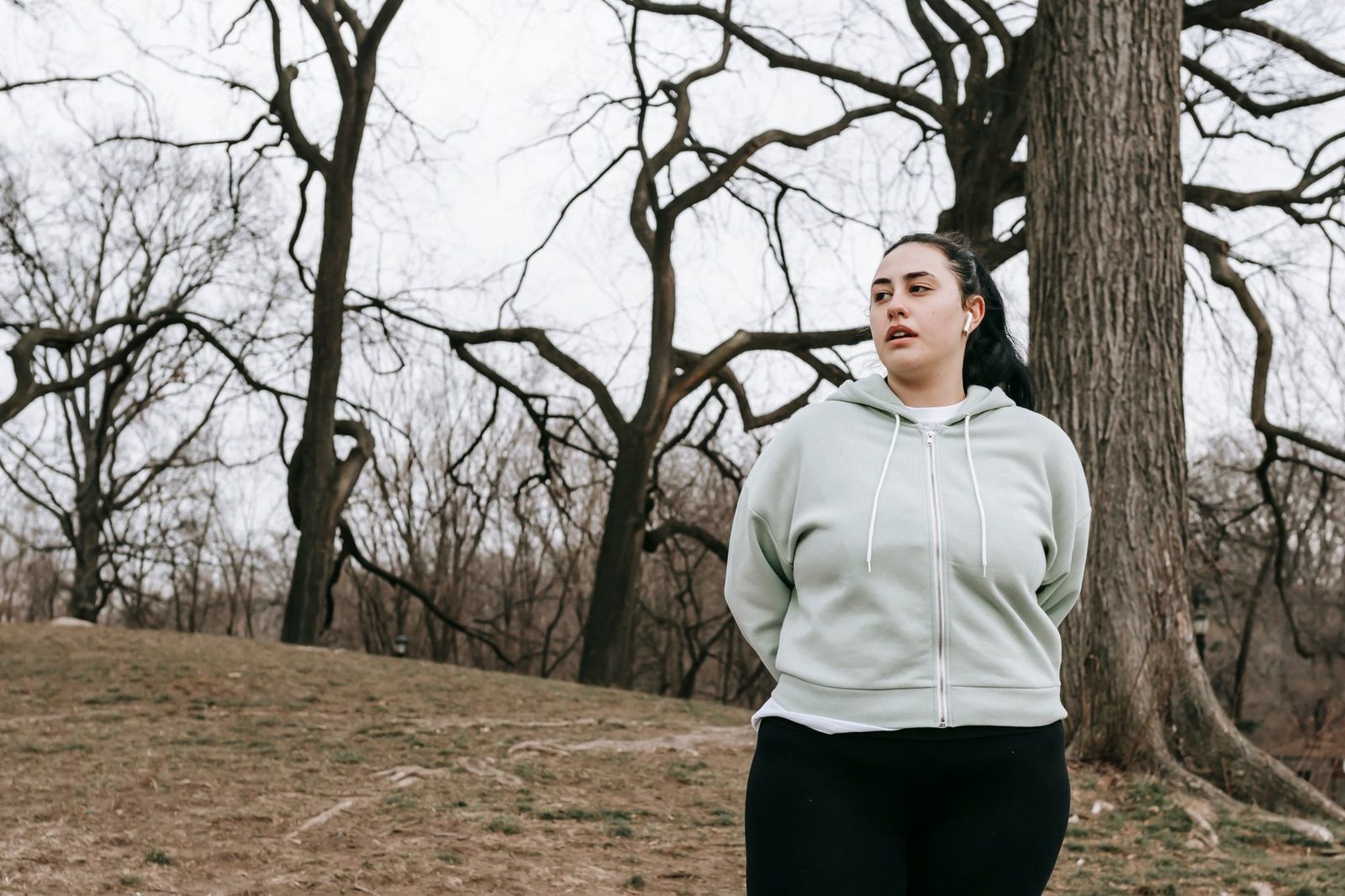
How Common Is Obesity in America Today? What the Latest CDC Data Shows
About 4 in 10 US adults have obesity, per the latest CDC data. Here’s what the numbers mean, who’s most affected, and small steps that help.

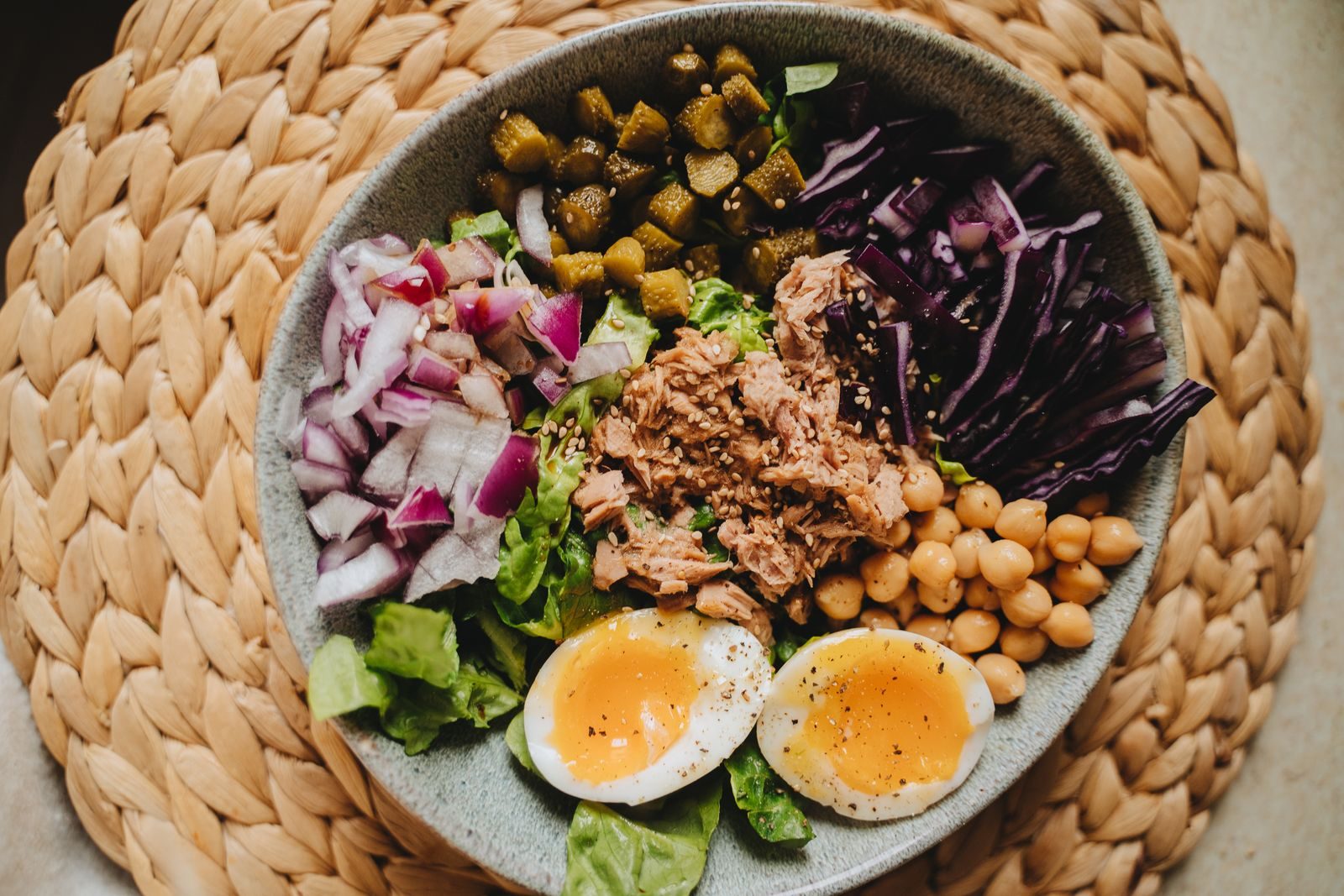
How Much Protein Do You Need to Lose Weight Without Losing Muscle?
What research says about protein for weight loss: daily ranges, protein per meal, why strength training matters, and higher needs for adults over 65.
Viivaa · Oct 23, 2026 · 6 min read

Can Poor Sleep Make You Gain Weight? How Sleep Controls Your Hunger
Short sleep can raise hunger hormones and make high-calorie food more tempting. What the research shows about sleep, appetite, timing and regularity.
Viivaa · Oct 23, 2026 · 6 min read
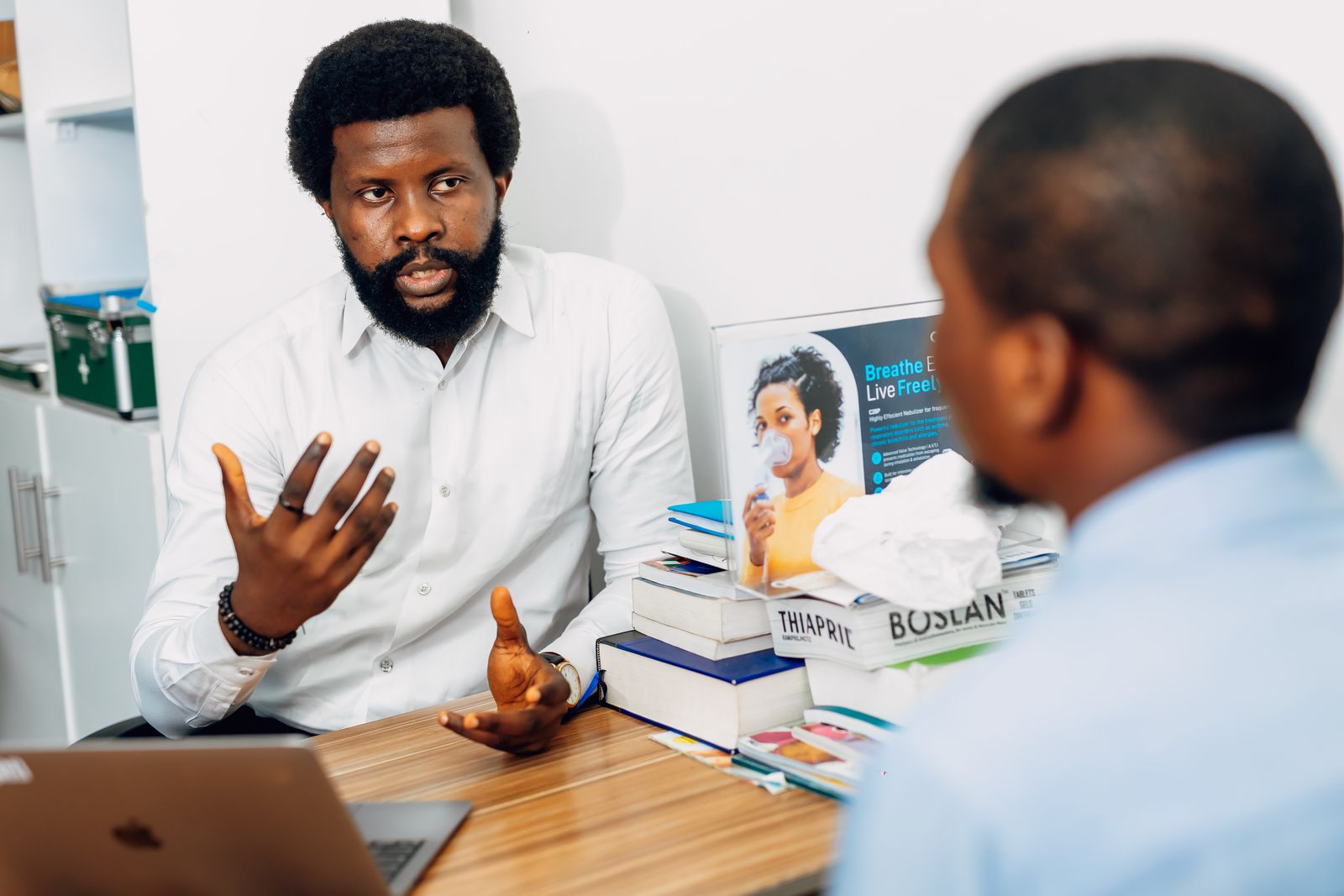
Understanding Testosterone: What It Does and What's a Normal Level
What testosterone does in men, what a normal level looks like, how it changes with age and how low testosterone is properly diagnosed.
Viivaa · Oct 23, 2026 · 6 min read

Hormonal Health in Real Life: Lifestyle Habits That Affect Testosterone
What the evidence says about weight, activity, sleep, alcohol and 'T booster' supplements, and which everyday habits really affect men's testosterone.
Viivaa · Oct 23, 2026 · 5 min read

Sleep, Training and Male Hormones: What the Research Shows
How short sleep, all-nighters, hard training and under-eating affect testosterone, and why post-workout hormone spikes don't build muscle.
Viivaa · Oct 23, 2026 · 5 min read

TRT: What You Need to Know About Testosterone Replacement Therapy
Who testosterone replacement therapy is for, what large trials like TRAVERSE show about benefits and risks, and what monitoring should look like.
Viivaa · Oct 23, 2026 · 6 min read

Testosterone and Fertility: How Hormone Treatment Affects Sperm
Why testosterone therapy and steroids can switch off sperm production, how long recovery takes, and fertility-friendly options to discuss with a doctor.
Viivaa · Oct 23, 2026 · 5 min read

How Sleep, Food, Hormones and Exercise Work Together for Lasting Weight Loss
How sleep, food quality, hormones and exercise interact in weight loss, and why a holistic plan beats any single fix. What clinical studies show.
Viivaa · Oct 23, 2026 · 6 min read

How to Stop Emotional Eating: Why Putting Feelings Into Words Helps
Why stress and low mood drive eating, what naming emotions does in the brain, and which techniques in emotional-eating programmes are linked to results.
Viivaa · Oct 23, 2026 · 5 min read
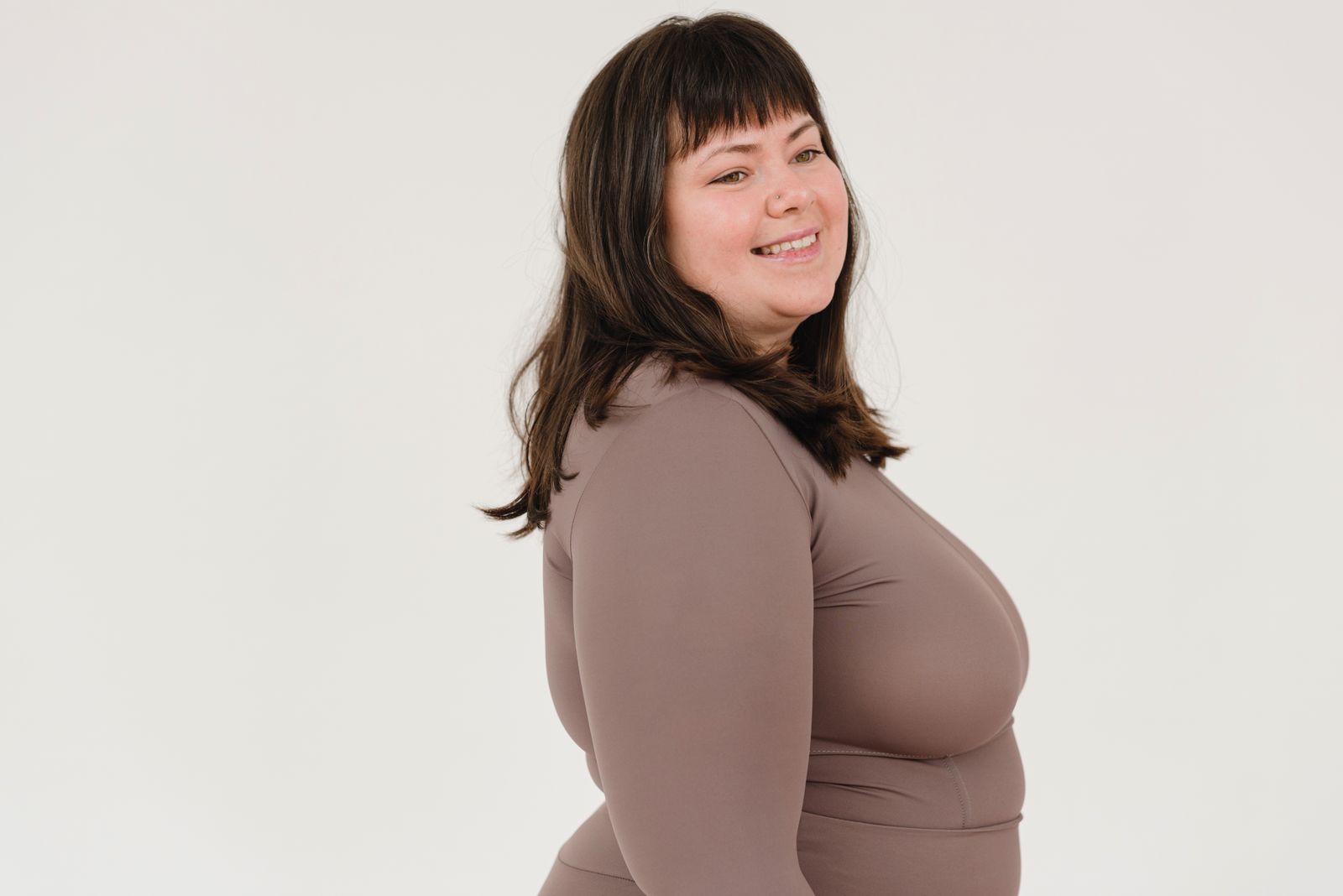
How to Feel Good About Your Body While It's Still Changing
When self-worth hinges on appearance, every weigh-in feels like a verdict. What research on body appreciation and self-compassion shows.
Viivaa · Oct 23, 2026 · 5 min read
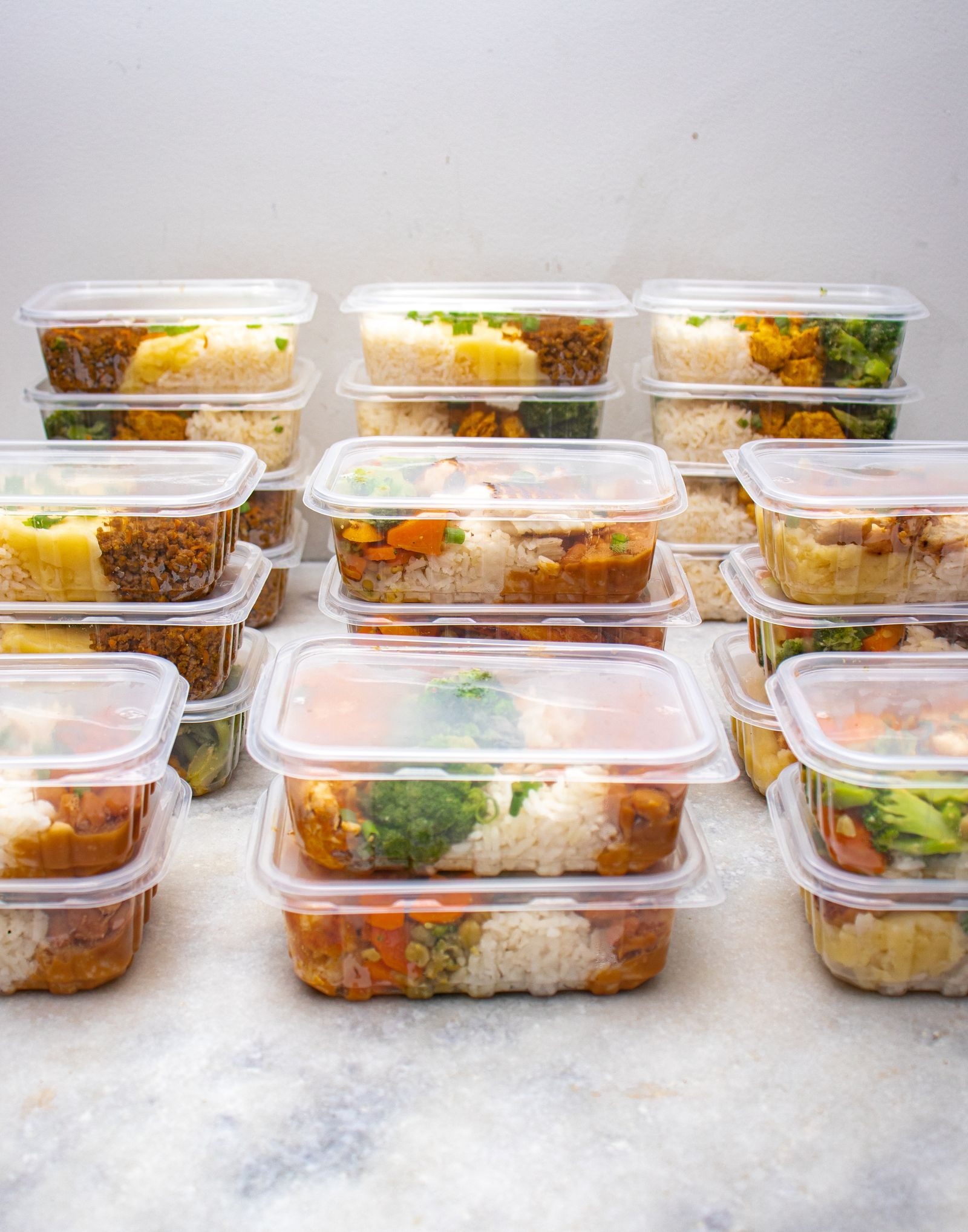
Does Meal Planning Help You Lose Weight? A Simple Weekly Routine Backed by Research
Meal planners tend to eat a more varied, healthier diet and have lower odds of obesity. What the research shows, plus a simple weekly planning routine.
Viivaa · Oct 23, 2026 · 5 min read
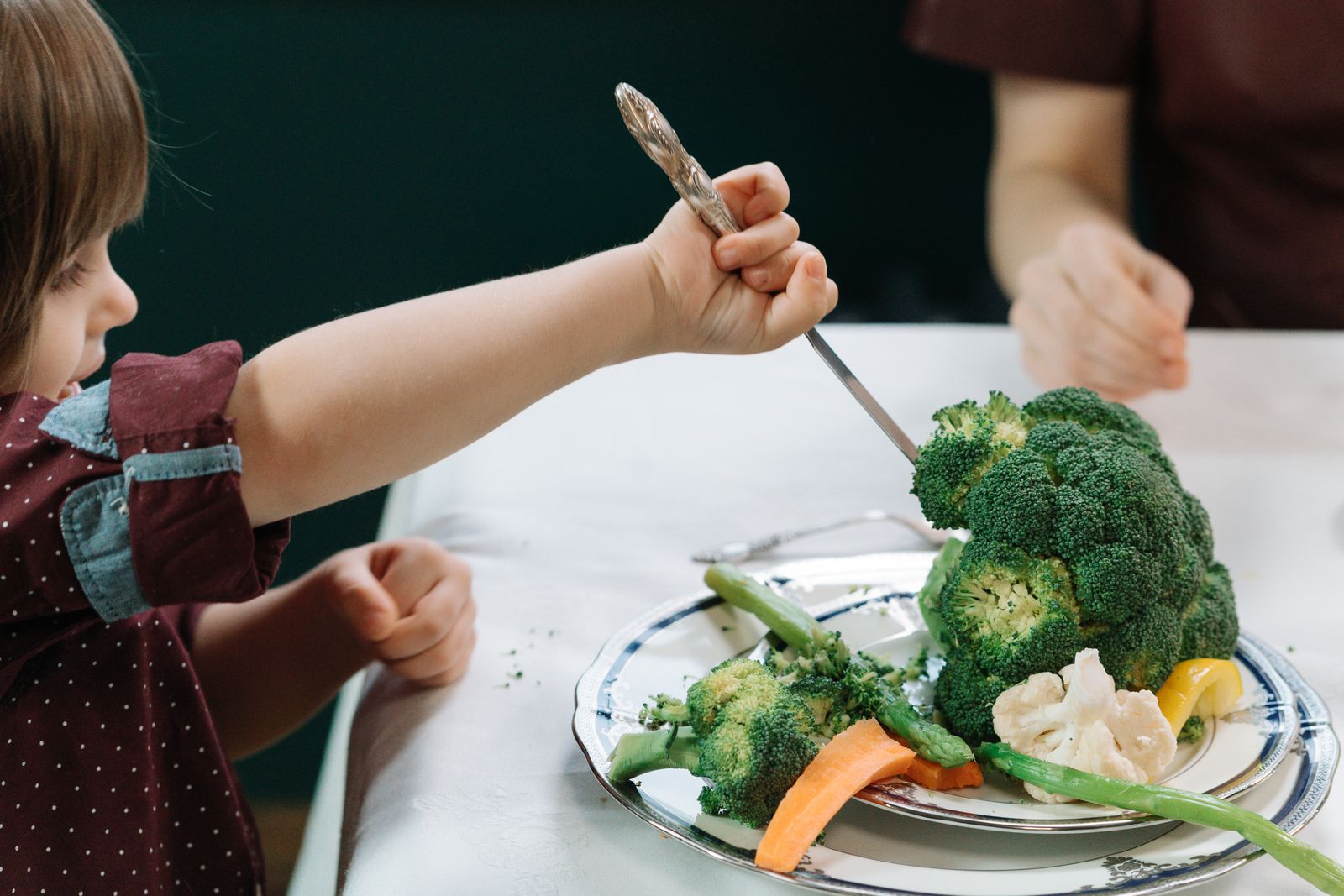
How to Start Liking Foods You Don't Like: The Science of Taste Training
Why the first bites of a new or bitter food are the hardest, how many tries it takes to like it, and a simple exposure plan for adults and families.
Viivaa · Oct 23, 2026 · 6 min read

Eat Slower, Start With Protein, Track Your Meals: 4 Simple Habits Research Supports
Eating slowly, adding protein, eating veggies before carbs and tracking your meals: what the research really shows about 4 easy eating habits.
Viivaa · Oct 23, 2026 · 6 min read
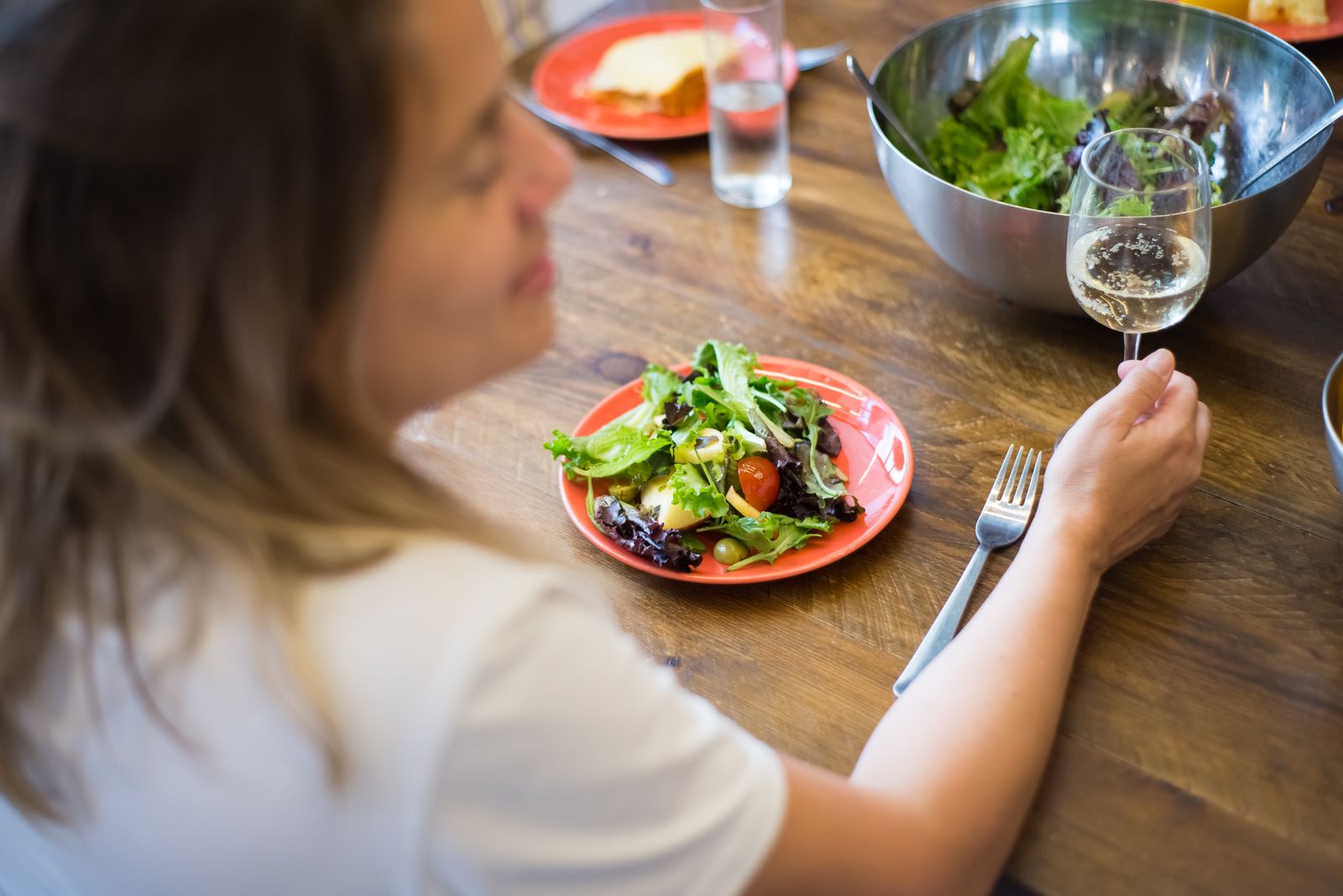
Does Chewing Slowly Help You Eat Less? How Your Gut Tells You You're Full
How bite size, chewing and eating speed affect how much you eat, how gut hormones like GLP-1 and CCK signal fullness, and simple ways to slow down.
Viivaa · Oct 23, 2026 · 5 min read
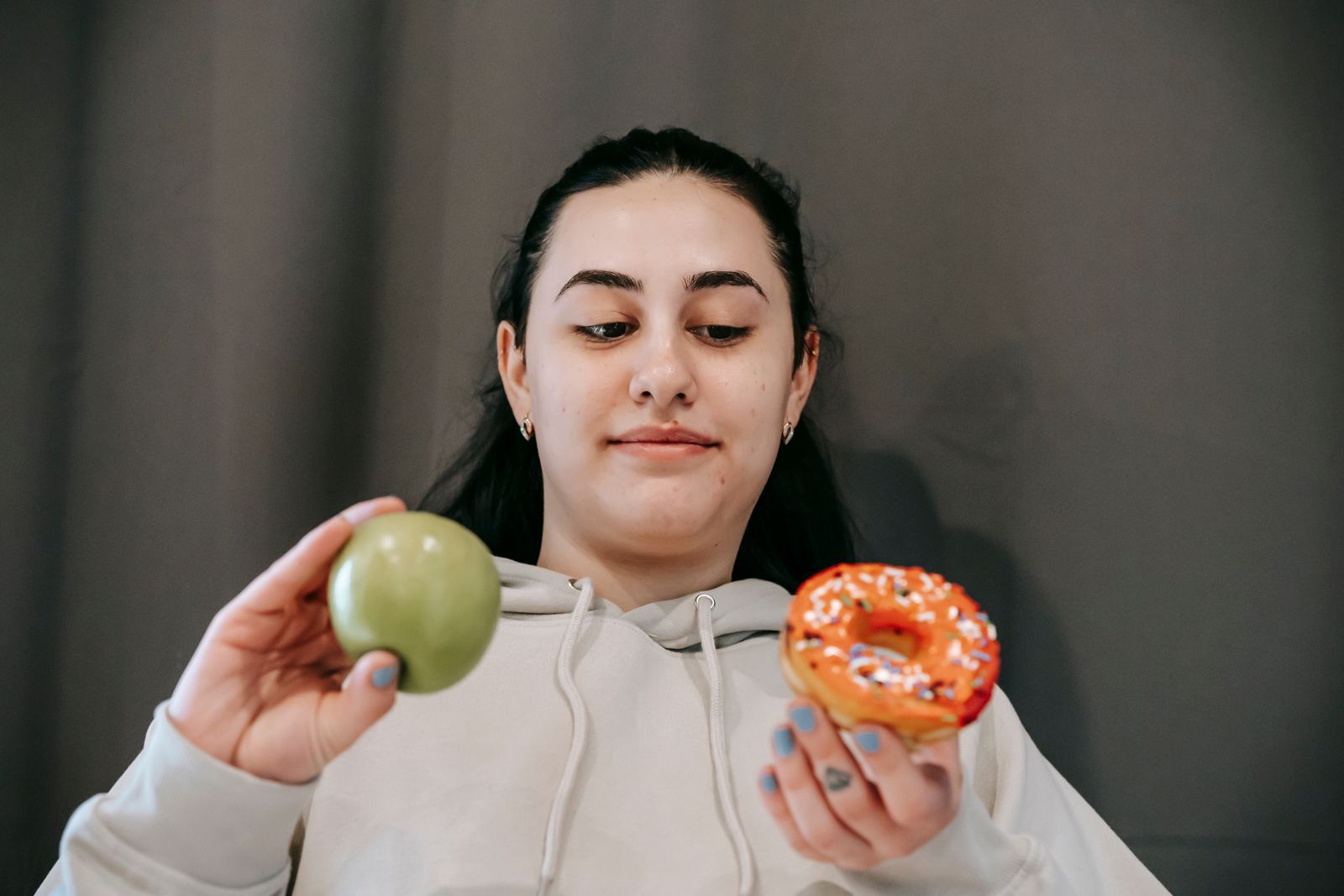
Can You Train Your Brain to Choose Healthier Food? What the Research Says
Self-control around food is more like a skill than a fixed trait. What trials show about inhibitory control training, future thinking and strength.
Viivaa · Oct 23, 2026 · 6 min read
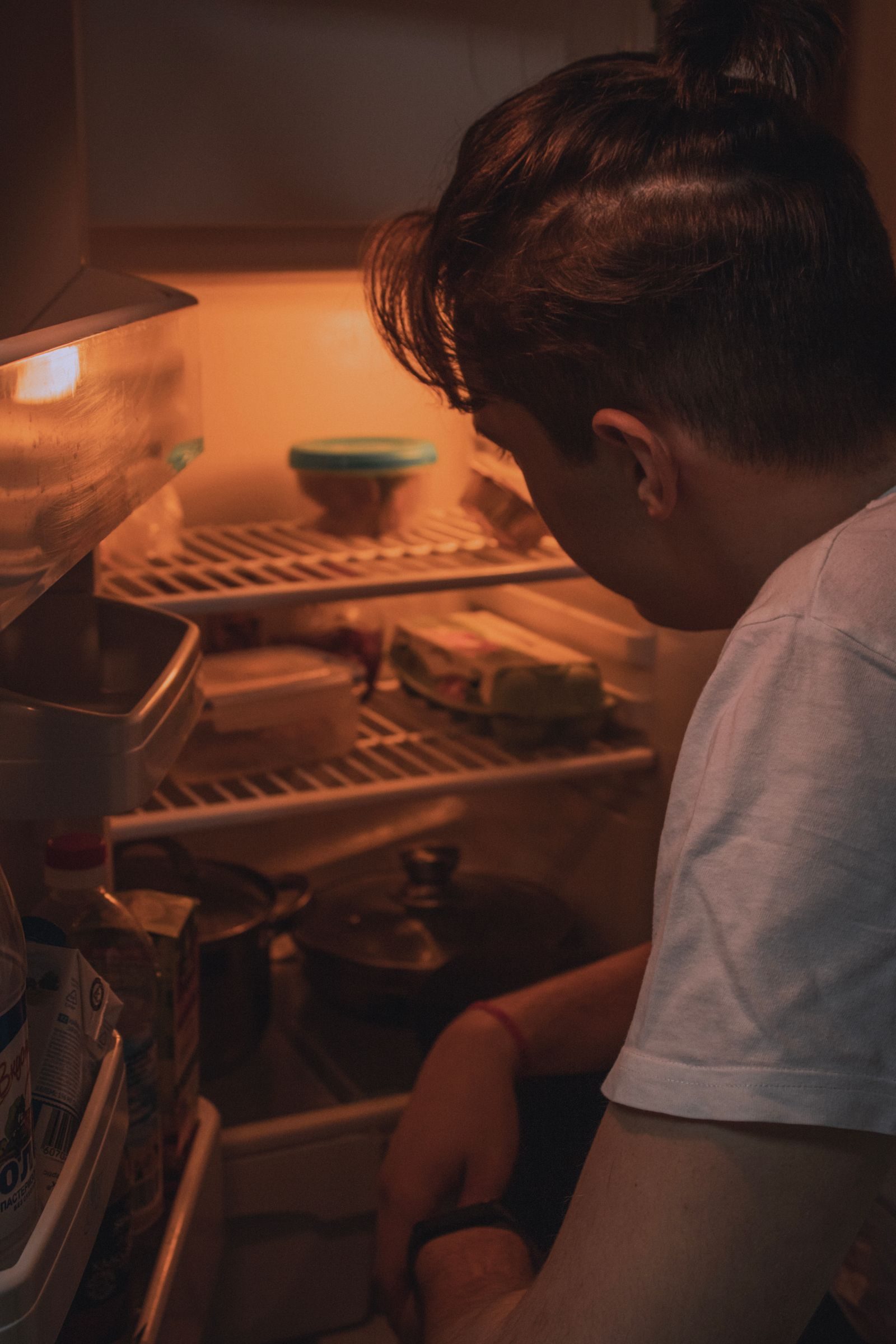
Why Do I Eat When I'm Not Hungry? 4 Hidden Triggers Backed by Research
Emotions, short sleep, childhood food habits and ultra-processed foods can all push us to eat beyond hunger. Here's what research shows, and what helps.
Viivaa · Oct 23, 2026 · 5 min read

Is Snacking All Day Bad for Weight Loss? Grazing vs. Set Mealtimes
What research says about grazing, eating frequency and set mealtimes: how habits drive snacking, how it links to calorie intake and what helps.
Viivaa · Oct 23, 2026 · 6 min read
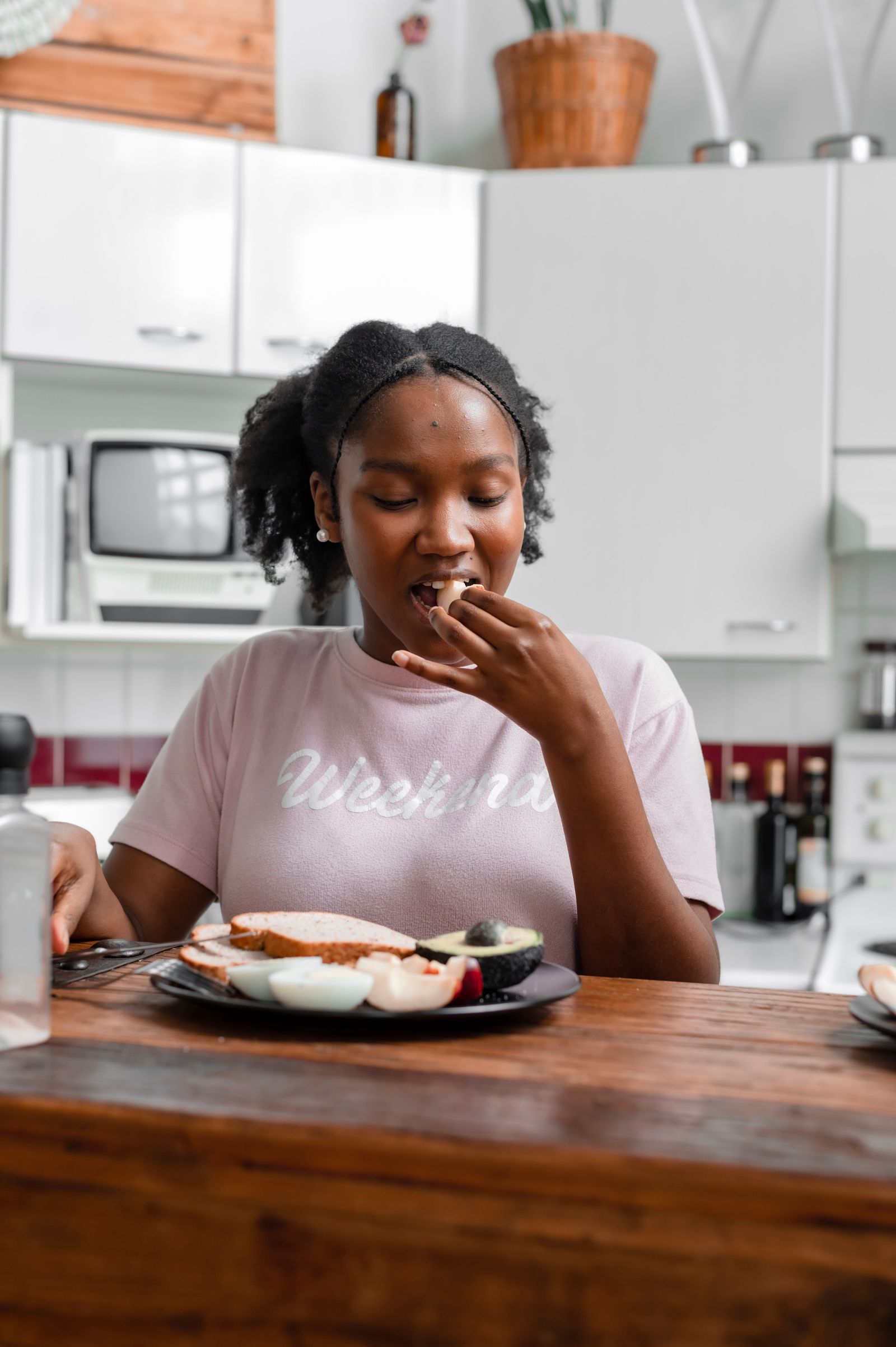
What Are Hunger Hormones? Leptin, Ghrelin and GLP-1 Explained
How leptin, ghrelin and GLP-1 signal hunger and fullness, why dieting shifts them, and how sleep, food quality and meal timing affect appetite.
Viivaa · Oct 23, 2026 · 6 min read

Are Carbs Bad for You? What Science Says About Sugar, Insulin and Whole Grains
Are carbs bad for you? What research shows about insulin, fibre, whole grains, glycaemic index, fructose and ultra-processed foods, without the hype.
Viivaa · Oct 23, 2026 · 6 min read
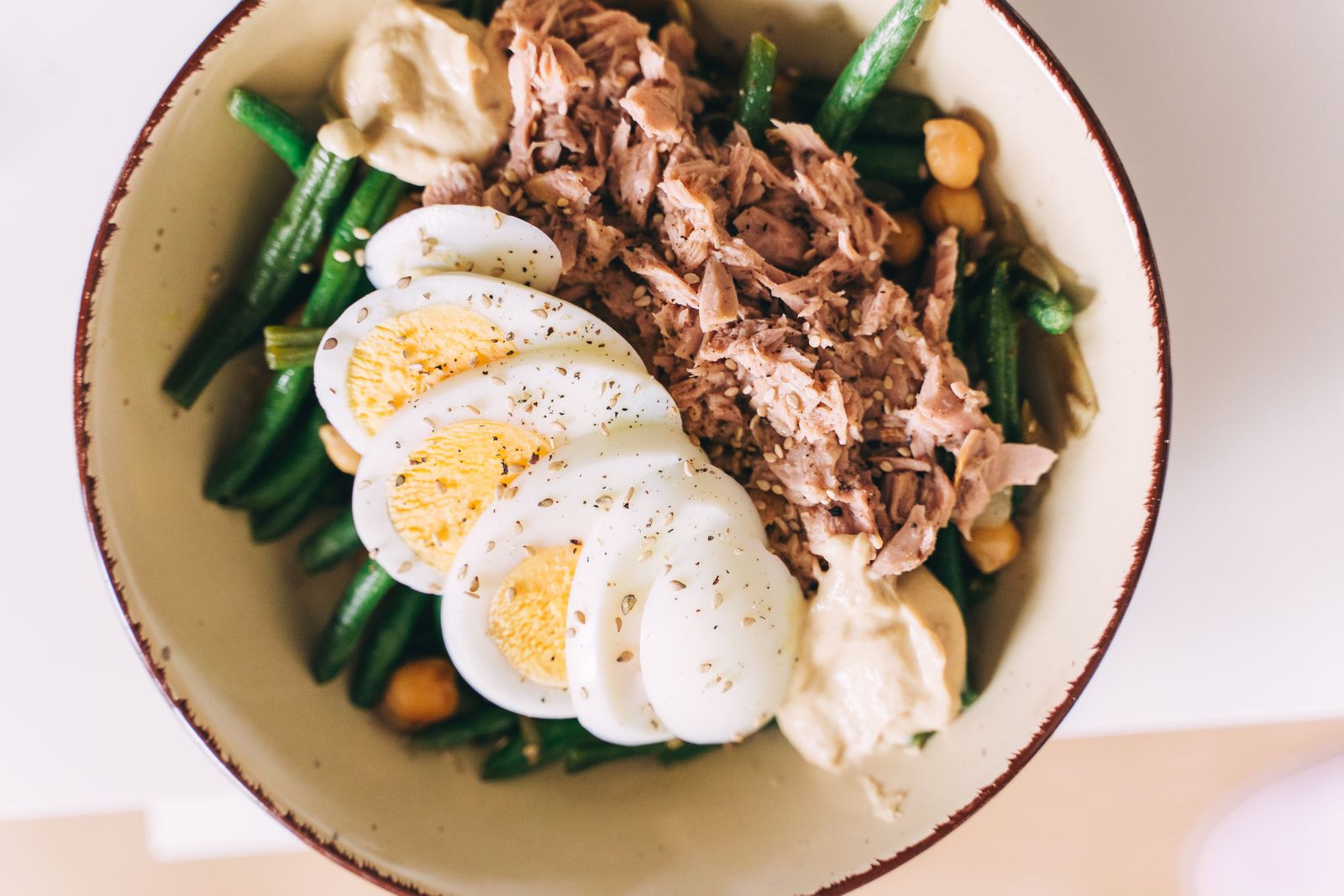
Plant vs. Animal Protein: Which Is Better, and Can Vegetarians Get Enough?
Is animal protein better than plant protein? What DIAAS scores show, their limits, where red meat fits, and how vegetarians can get enough protein.
Viivaa · Oct 23, 2026 · 5 min read

Why We Eat More When We're Served More, and How to Use That to Your Advantage
Larger portions lead us to eat more, day after day. What studies show about the portion size effect, downsizing portions, and easy strategies at home.
Viivaa · Oct 23, 2026 · 5 min read
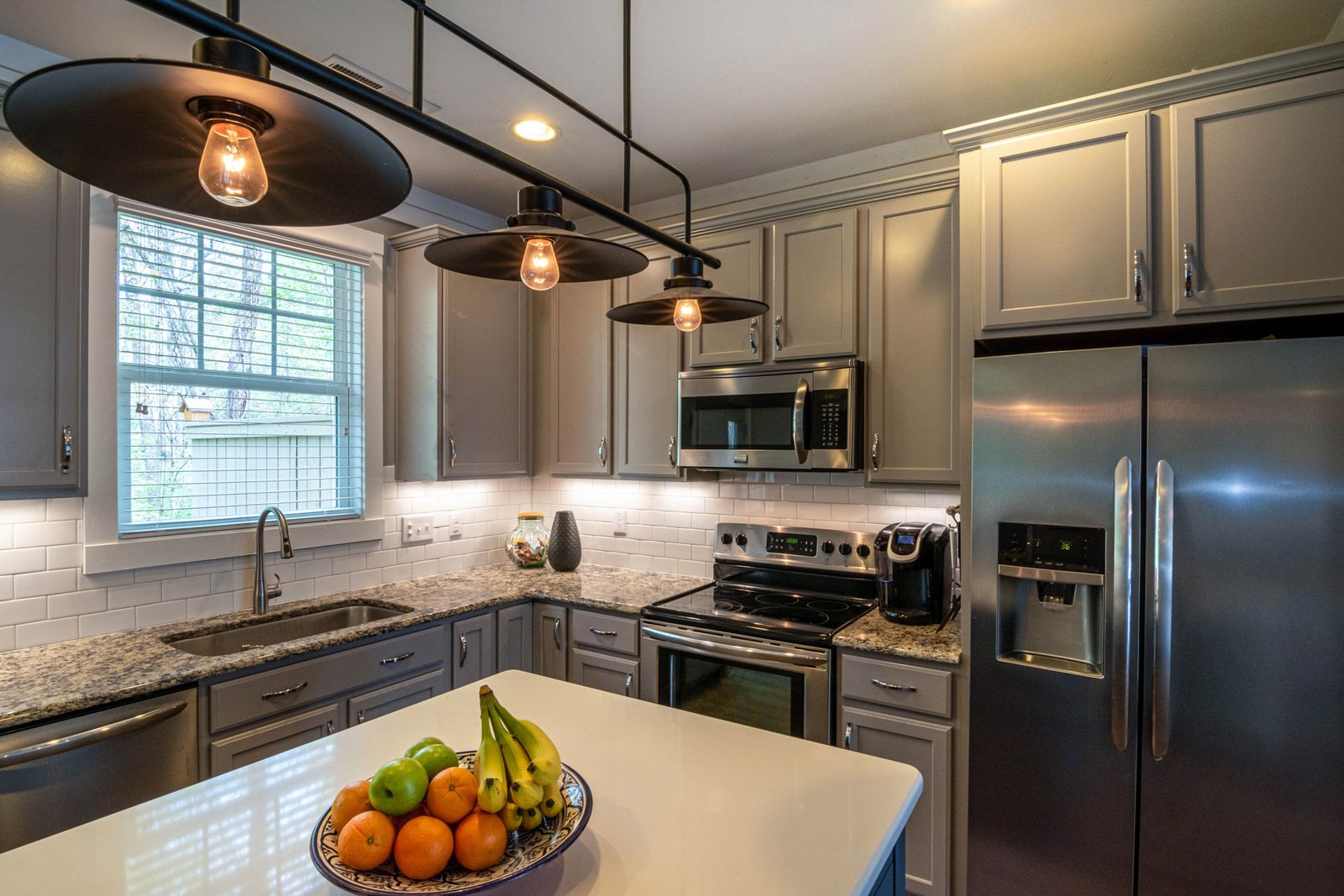
Does Your Home Affect What You Eat? Clutter, Stress and Food Placement
Your surroundings make many food decisions before you do. What research shows about home stress, clutter and how food placement changes what you eat.
Viivaa · Oct 23, 2026 · 5 min read
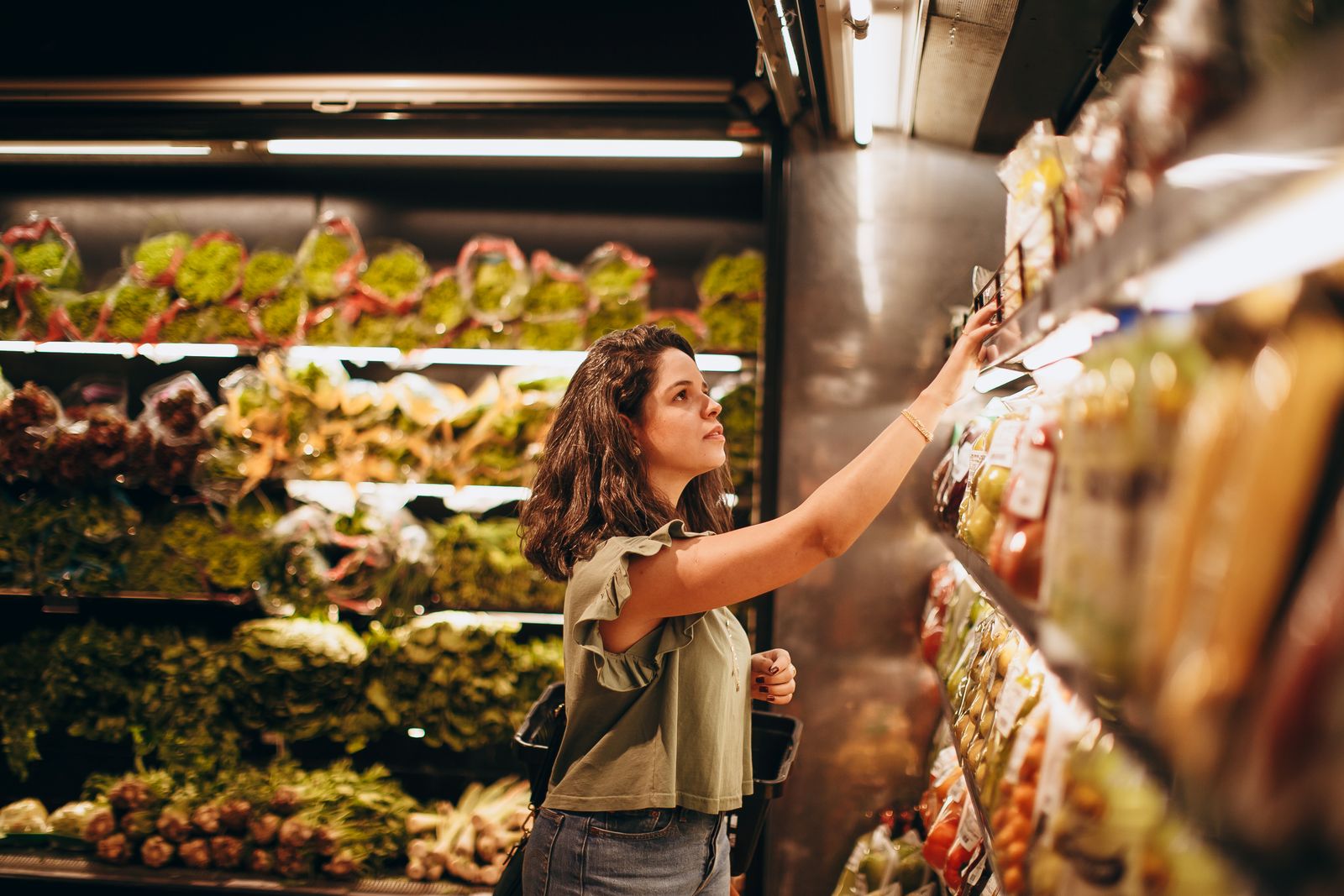
How to Organize Your Kitchen (and Grocery Cart) to Eat Healthier
What's visible gets eaten, and stores are designed to steer your cart. Evidence-based ways to set up your kitchen and shop for healthier eating.
Viivaa · Oct 23, 2026 · 5 min read
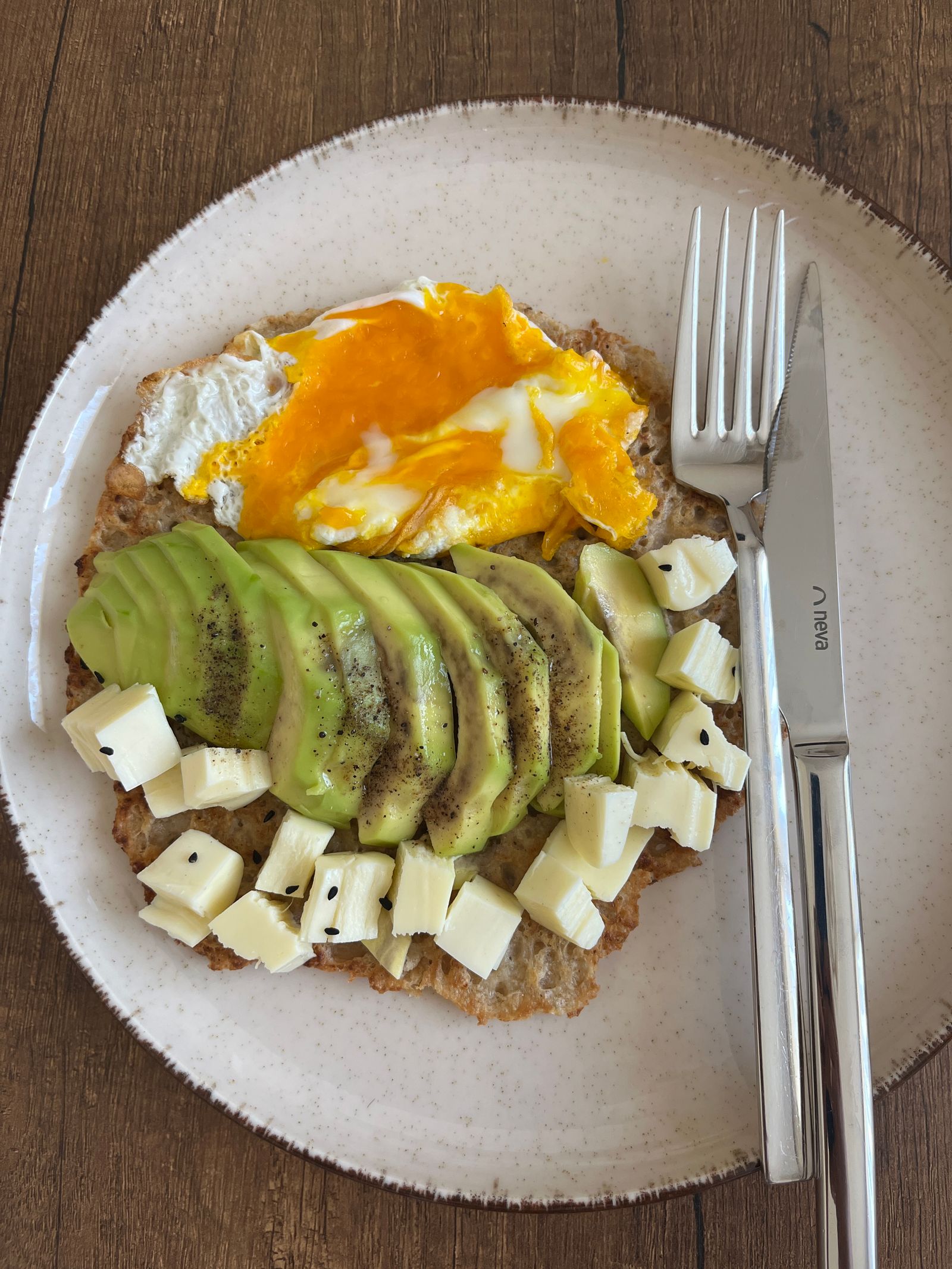
Does the Keto Diet Work? Benefits, Risks and Who It's Right For
What trials show about keto for appetite, weight, blood sugar and cholesterol, who should avoid it, and how to protect muscle if you try low-carb eating.
Viivaa · Oct 23, 2026 · 7 min read

Can Type 2 Diabetes Go Into Remission? What Research Says About Diet
What type 2 diabetes remission means, what low-carb diet trials show, what the ADA 2026 Standards advise, and why to involve your doctor first.
Viivaa · Oct 23, 2026 · 5 min read

Life After Gastric Bypass: What Long-Term Studies Reveal
What guidelines and long-term studies say about life after gastric bypass: eating, supplements, follow-up, gut symptoms and weight outcomes.
Viivaa · Oct 23, 2026 · 6 min read
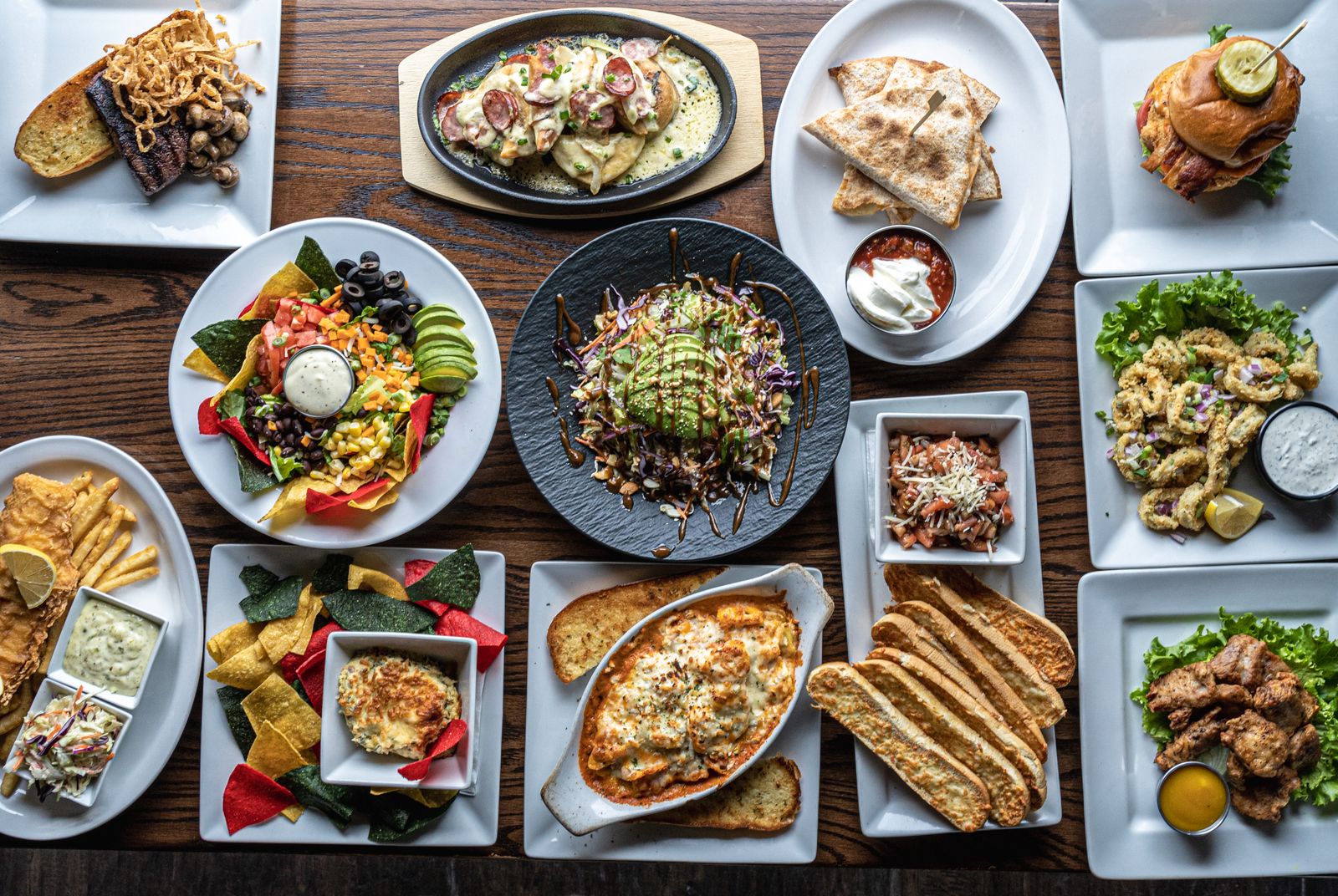
Why There's No Single Best Diet for Weight Loss
Low-carb, low-fat or something else? What research says about energy needs, diet composition and why the best diet is one you can sustain.
Viivaa · Oct 23, 2026 · 5 min read
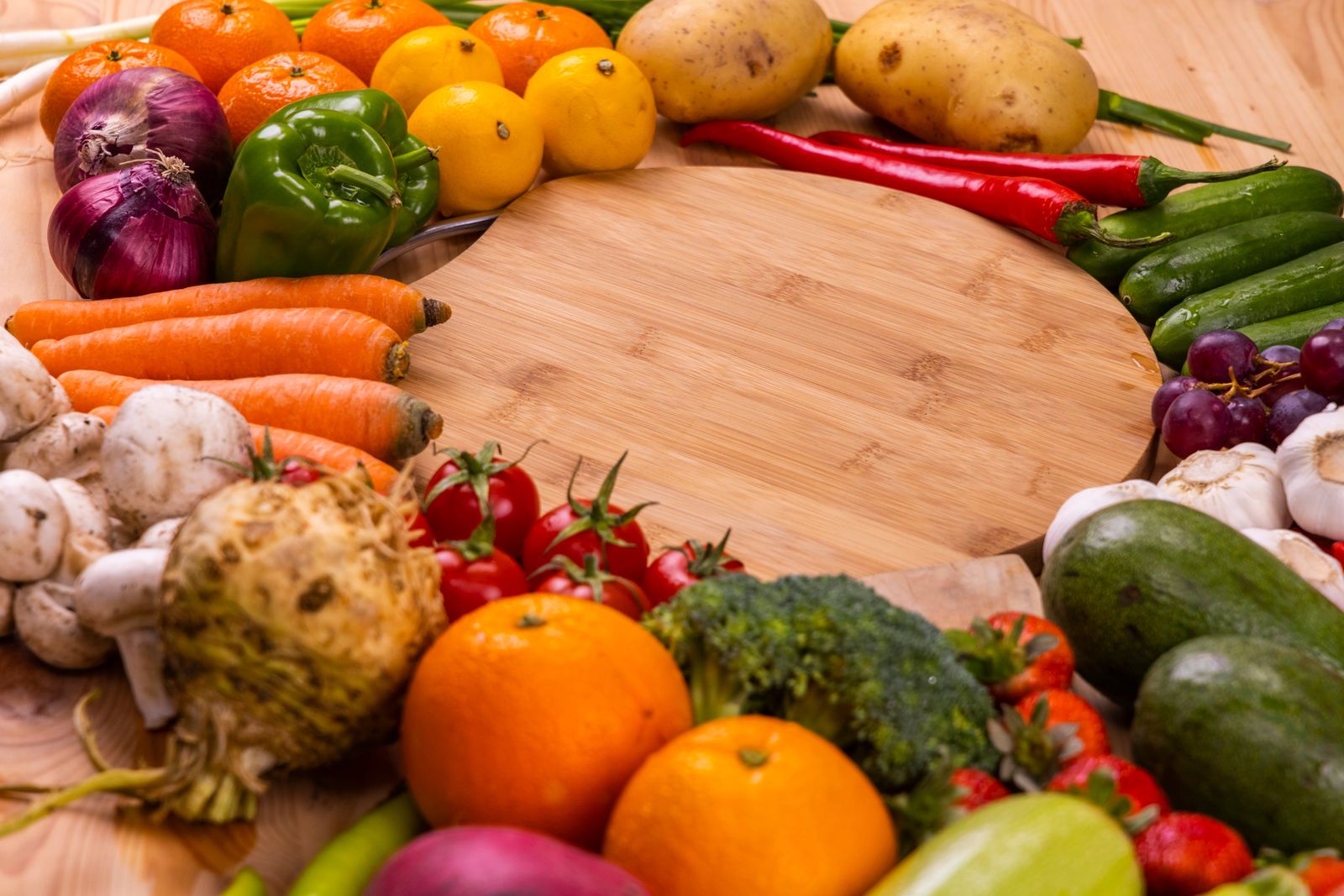
Which Vitamins and Minerals Matter Most When You're Losing Weight?
Eating less can mean fewer vitamins and minerals. Which nutrients drop on low-carb diets, and what vitamin D, iron and magnesium needs look like.
Viivaa · Oct 23, 2026 · 6 min read
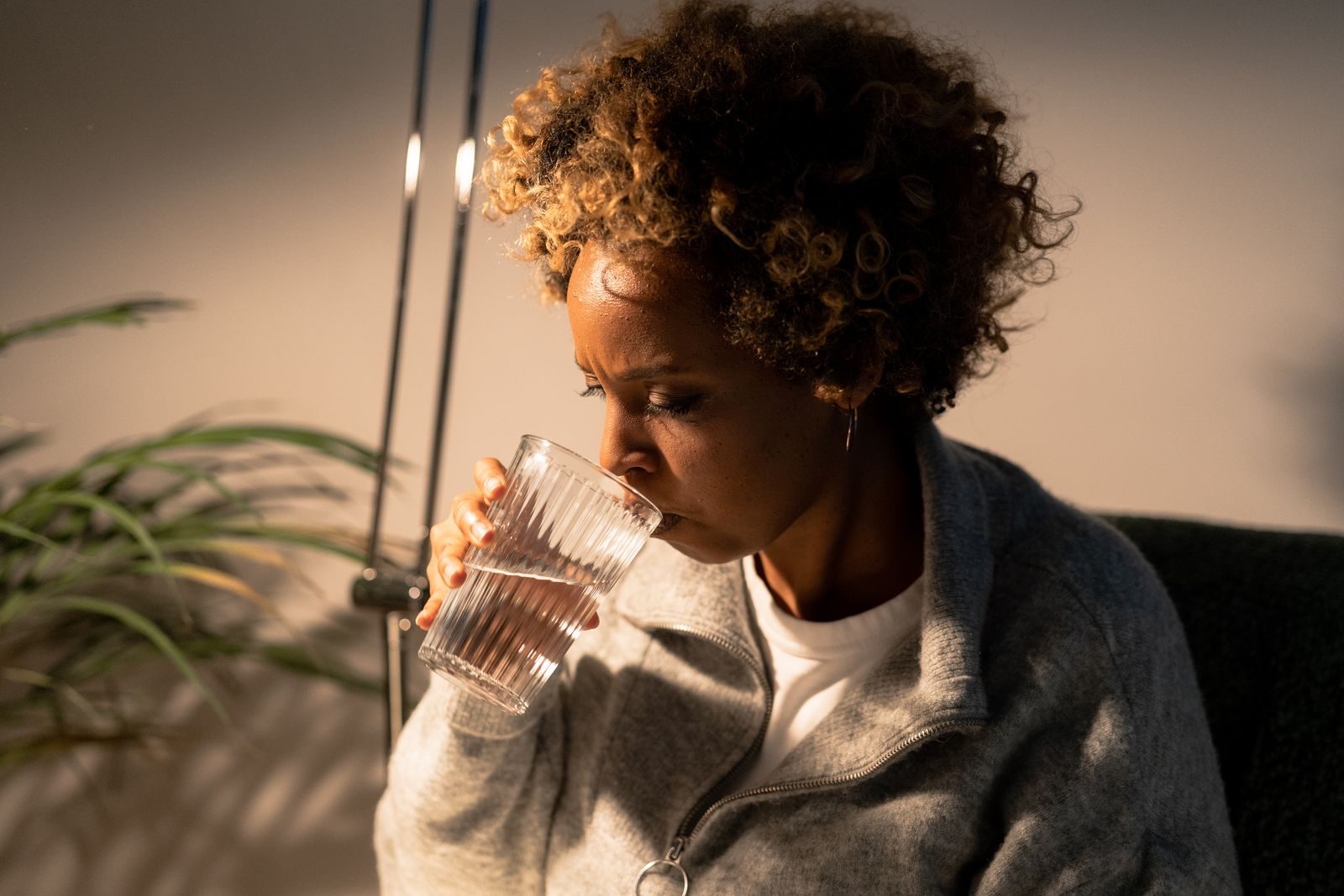
How Many Glasses of Water Do You Really Need? What the Science Says
Is 8 glasses a day a myth? What official guidelines, research on urine color, older adults and mild dehydration say about how much water you need.
Viivaa · Oct 23, 2026 · 6 min read
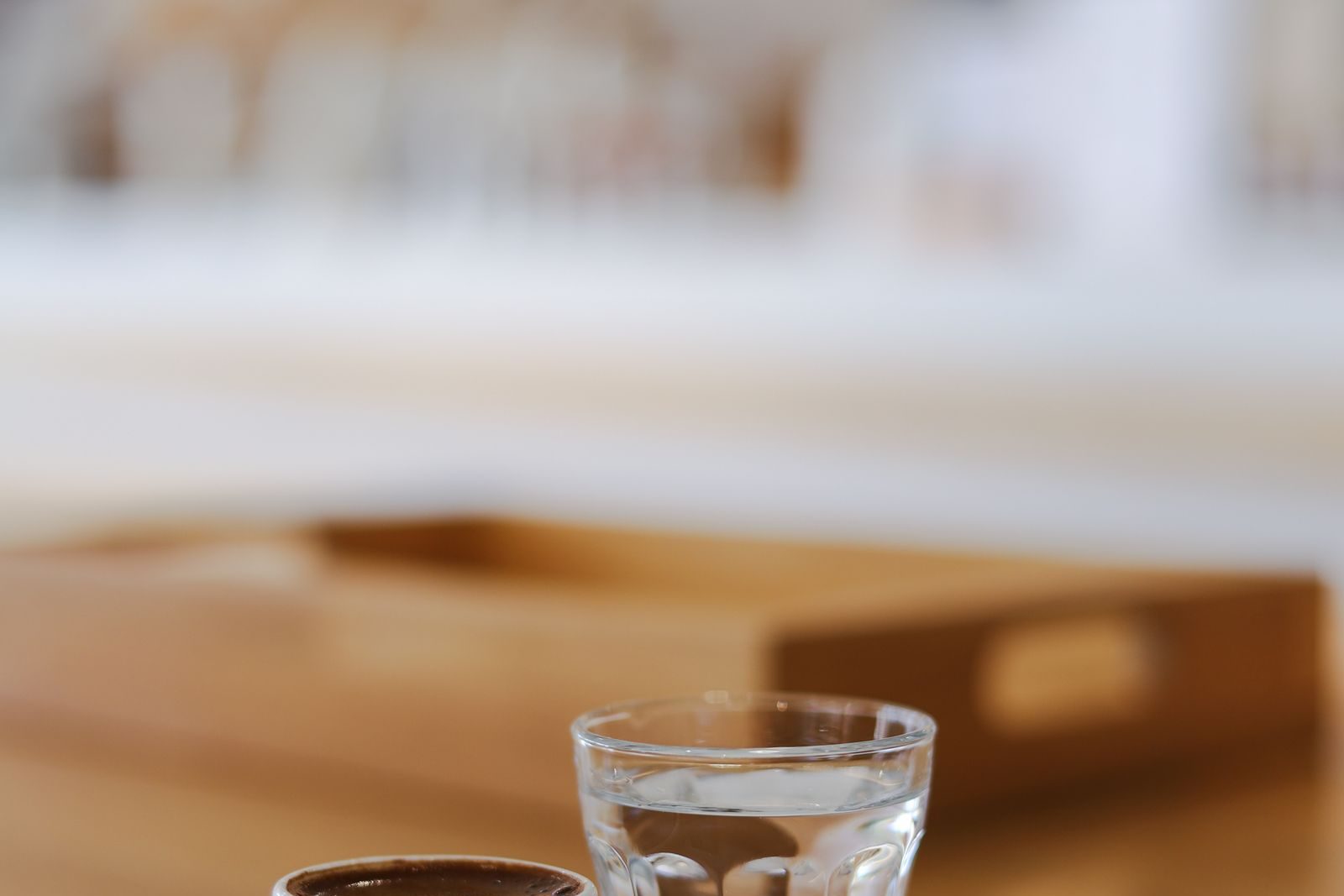
Does Coffee Dehydrate You? 5 Popular Water Myths Checked Against the Research
Coffee, alkaline water, cold drinks, keto and drinking too much: five common hydration claims, checked one by one against the research.
Viivaa · Oct 23, 2026 · 6 min read
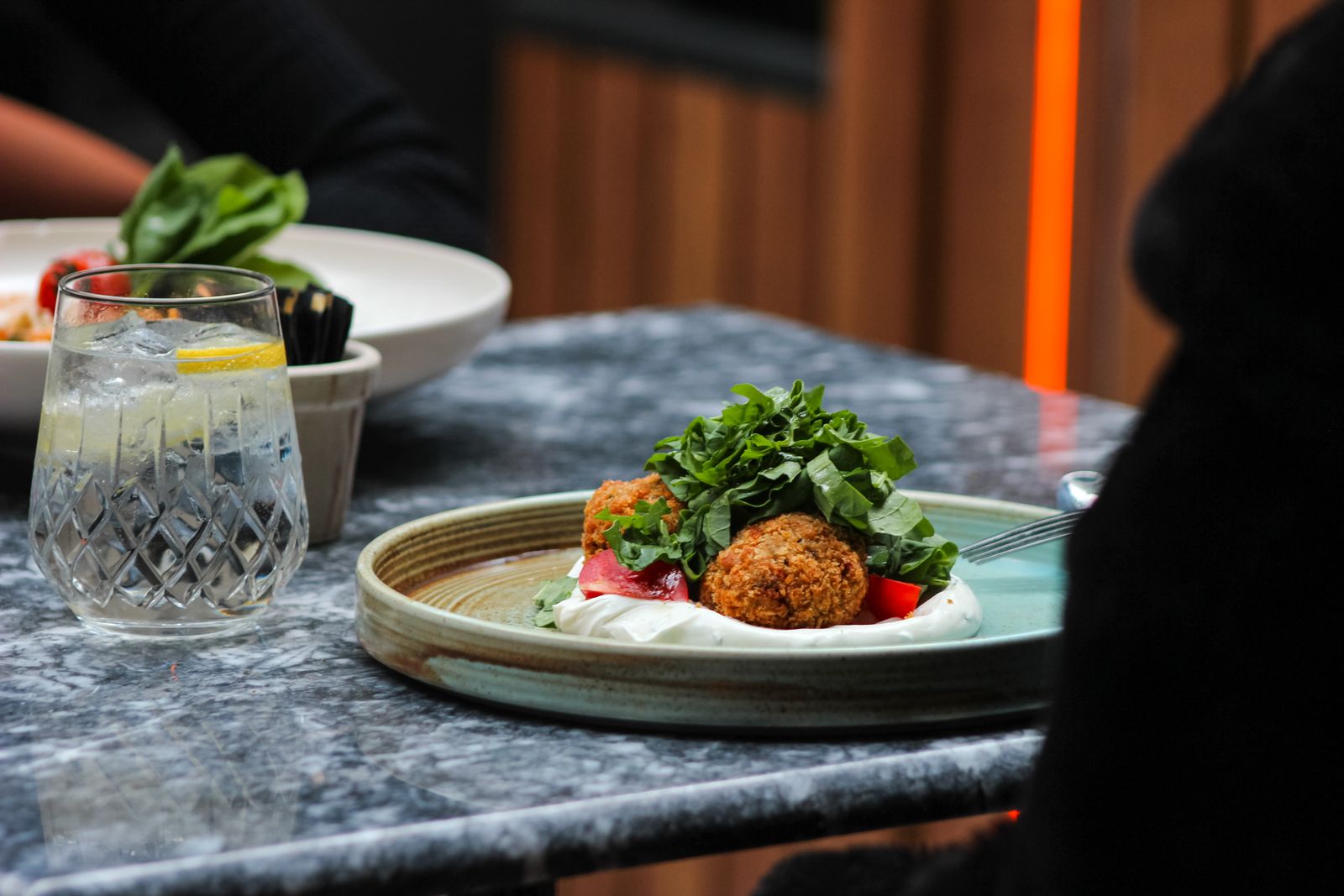
Is It Bad to Drink Water With Meals? Plus: Is Fruit Juice Actually Healthy?
Does water with meals dilute stomach acid? Can it help with weight loss? And is 100% fruit juice healthy? What the research says about drinks at the table.
Viivaa · Oct 23, 2026 · 6 min read
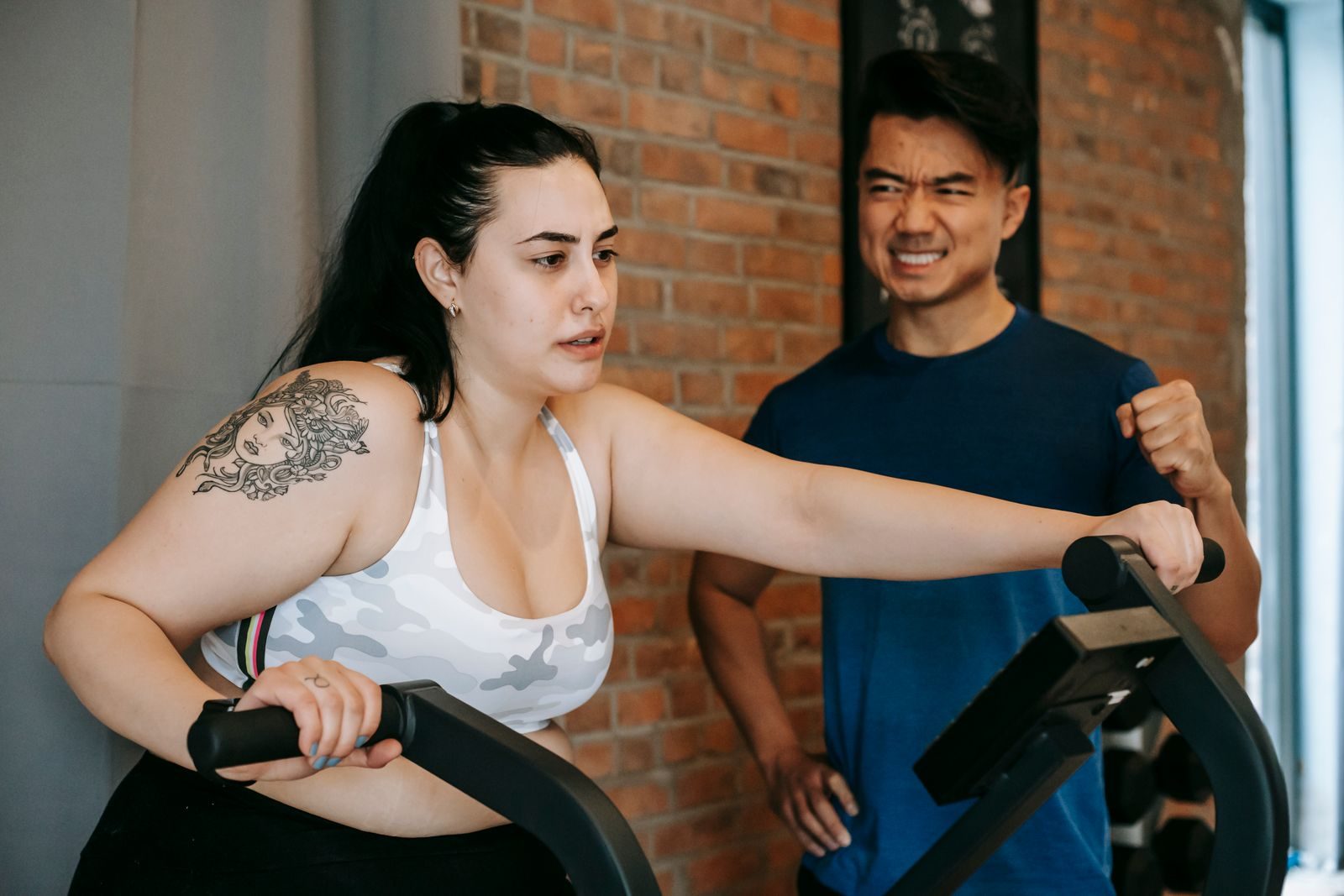
Stopping Ozempic or Wegovy: Will the Weight Come Back?
What research says about weight after stopping GLP-1 medications like Ozempic or Wegovy, why people stop, and how habits fit in. Talk to your doctor first.
Viivaa · Oct 23, 2026 · 6 min read
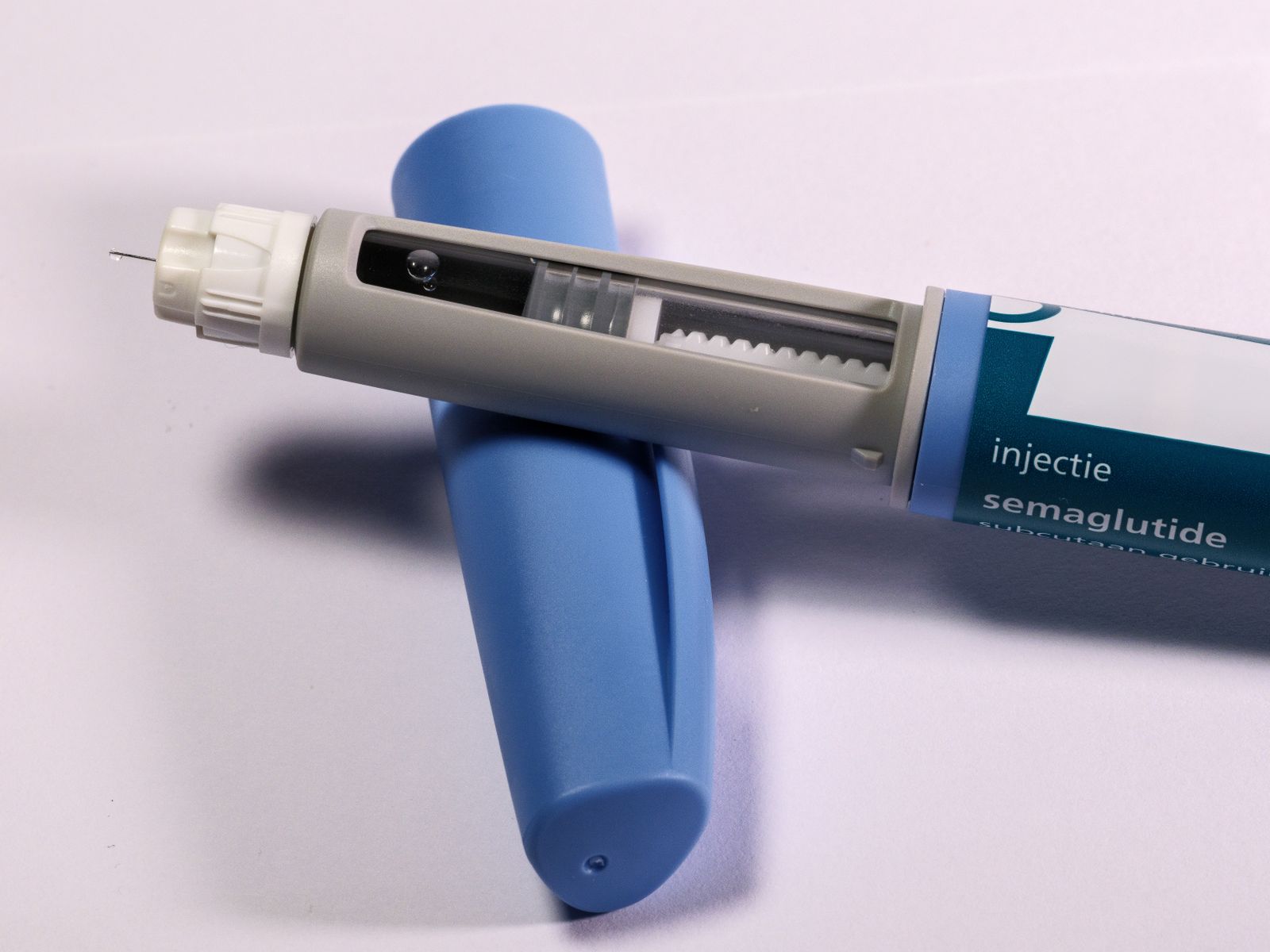
Are GLP-1 Drugs Safe? Side Effects, Risks and Benefits Explained
A calm, sourced look at GLP-1 medicines like semaglutide: common side effects, rarer risks, proven benefits and questions to ask your doctor.
Viivaa · Oct 23, 2026 · 7 min read
Why Has My Weight Loss Slowed Down? Cortisol, Menopause and Metabolic Adaptation
Why weight loss often stalls: what research says about metabolic adaptation, cortisol and stress, menopause and muscle, and what actually helps.
Viivaa · Oct 23, 2026 · 6 min read

Intermittent Fasting and Autophagy: What's Proven and What's Hype?
What trials show about intermittent fasting, time-restricted eating and autophagy: real benefits for weight and glucose, and claims ahead of the data.
Viivaa · Oct 23, 2026 · 6 min read
Is Eating Late at Night Bad for You? What Meal-Timing Research Shows
Does a late dinner affect hunger, metabolism, reflux or heart health? What controlled trials and large studies say about meal timing, and their limits.
Viivaa · Oct 23, 2026 · 7 min read
Is Fat Bad for You? Saturated, Trans and Omega-3 Fats Explained
Saturated, trans, olive oil and omega-3 fats: what WHO guidance, the PREDIMED trial and heart research say about which fats to limit and which to keep.
Viivaa · Oct 23, 2026 · 6 min read
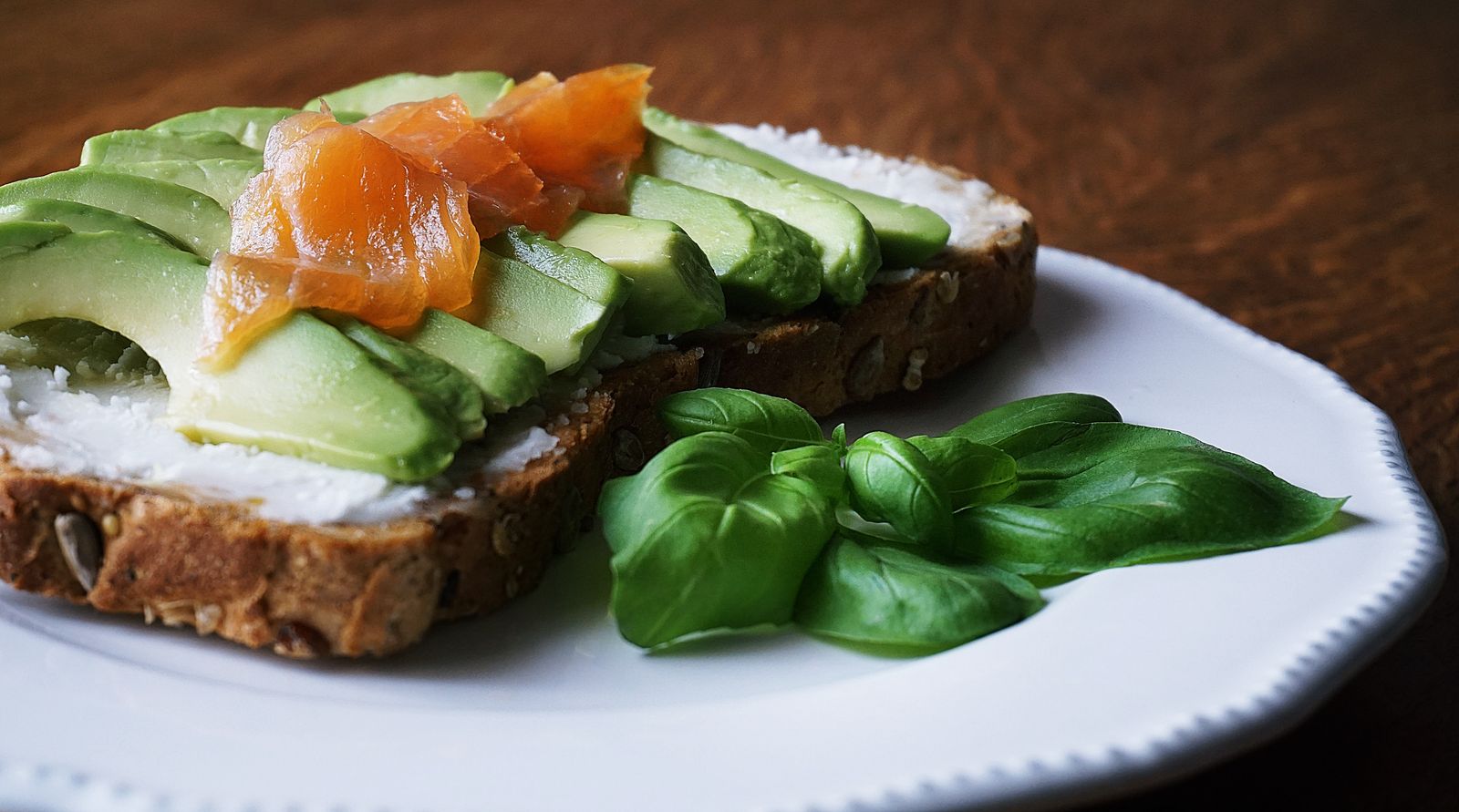
Can Eating Fat Help You Feel Full? How Dietary Fat Works in Your Body
How dietary fat is digested, how it triggers fullness through CCK, and why fat alone is no shortcut to eating less. What the research shows.
Viivaa · Oct 23, 2026 · 6 min read

What Is Metabolic Flexibility? Insulin Resistance Explained in Plain English
Metabolic flexibility is your body's ability to switch between fat and carbs for fuel. How it links to insulin resistance, and how exercise helps.
Viivaa · Oct 23, 2026 · 6 min read
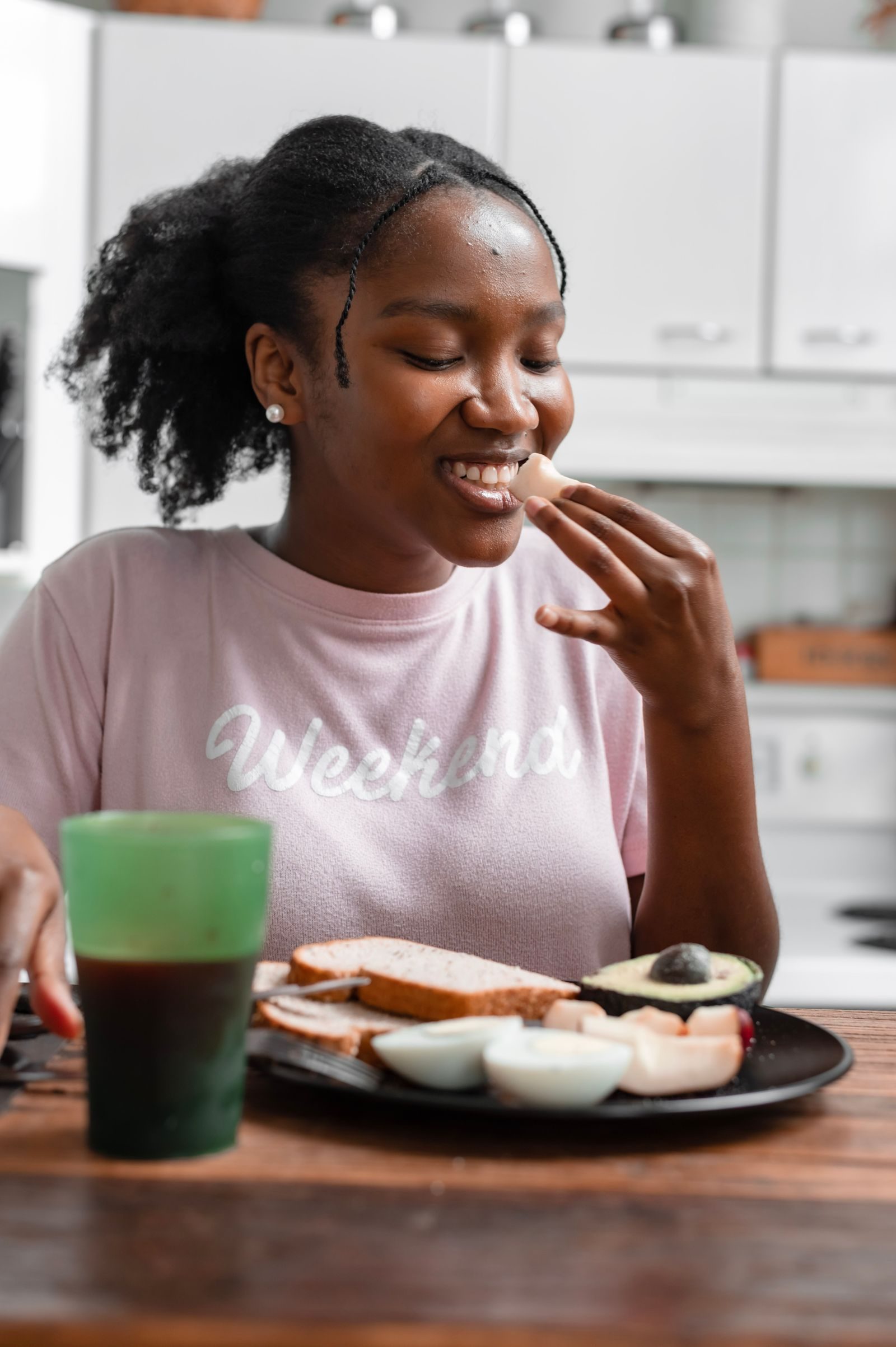
Overate Again? How to Get Back on Track Without the Guilt
Dietary lapses are common. Research on self-compassion shows how your reaction to a slip shapes what happens next, plus a simple plan to get back on track.
Viivaa · Oct 23, 2026 · 5 min read

Why You Keep Undoing Your Progress, and How Identity Can Change That
Keep undoing your own progress? Research on identity and habits shows why change lasts longer when it fits who you believe you are, and how to shift that.
Viivaa · Oct 23, 2026 · 5 min read
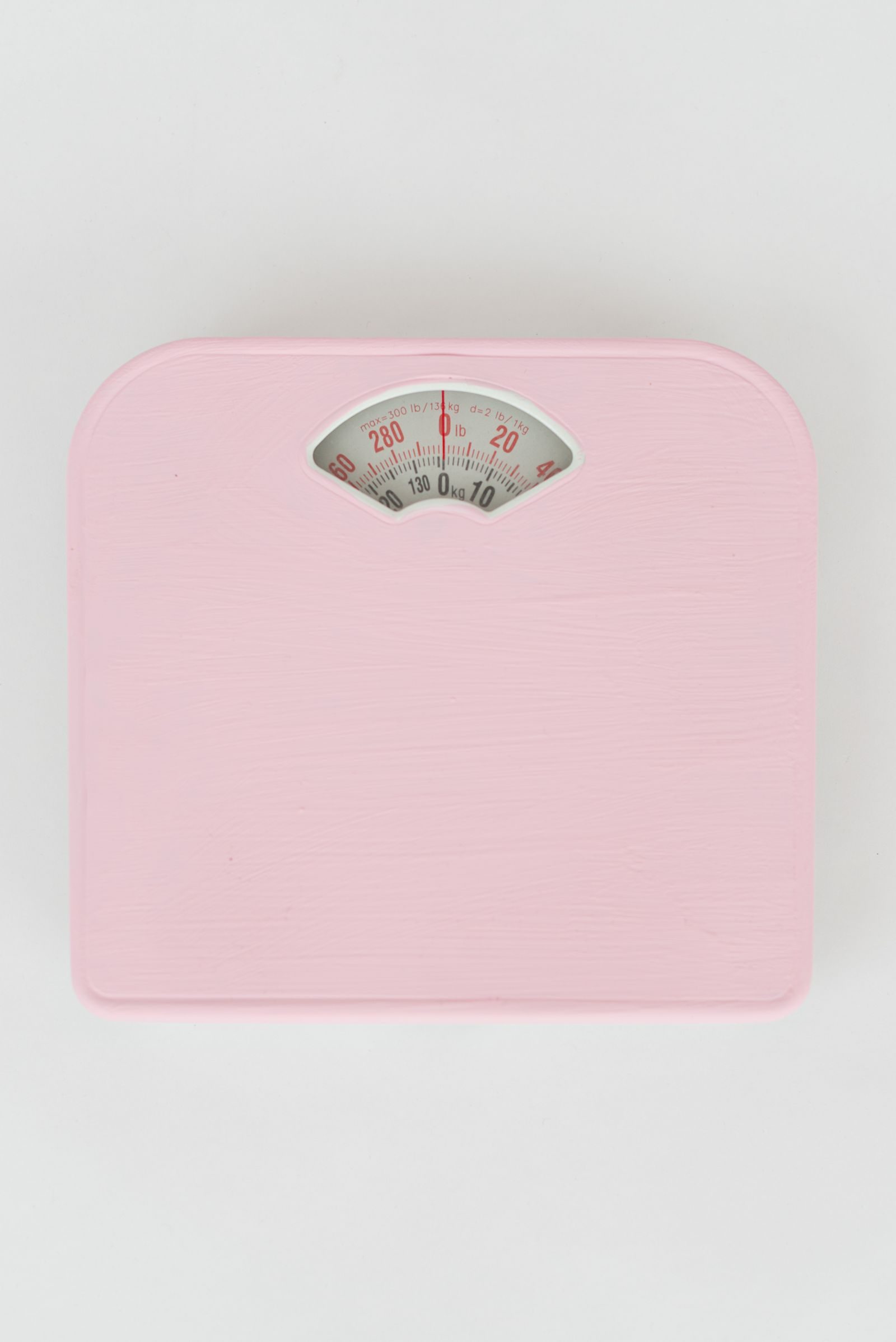
Should You Weigh Yourself Every Day? What Research Says About Tracking Progress
Is daily weighing helpful or harmful? What studies show about self-weighing, mood and weight loss, plus other progress signals worth tracking.
Viivaa · Oct 23, 2026 · 5 min read
How Long Does It Take to Form a Habit? The Real Answer (Hint: It's Not 21 Days)
Forget the 21-day rule. Research on real-world habits shows a wide range and a median of 66 days. Here's how habits really form, and how to keep them.
Viivaa · Oct 23, 2026 · 5 min read

Why Do We Keep Putting Off Our Health? The Psychology of Procrastination
Procrastination is about managing mood, not laziness. What research shows about how putting things off affects stress, health habits and seeing a doctor.
Viivaa · Oct 23, 2026 · 5 min read

Why Healthy Eating Goals Fail, and the If-Then Plan That Helps Them Stick
Good intentions often don't become action. See what research says about tracking progress and if-then plans, with examples you can use for healthy eating.
Viivaa · Oct 23, 2026 · 5 min read
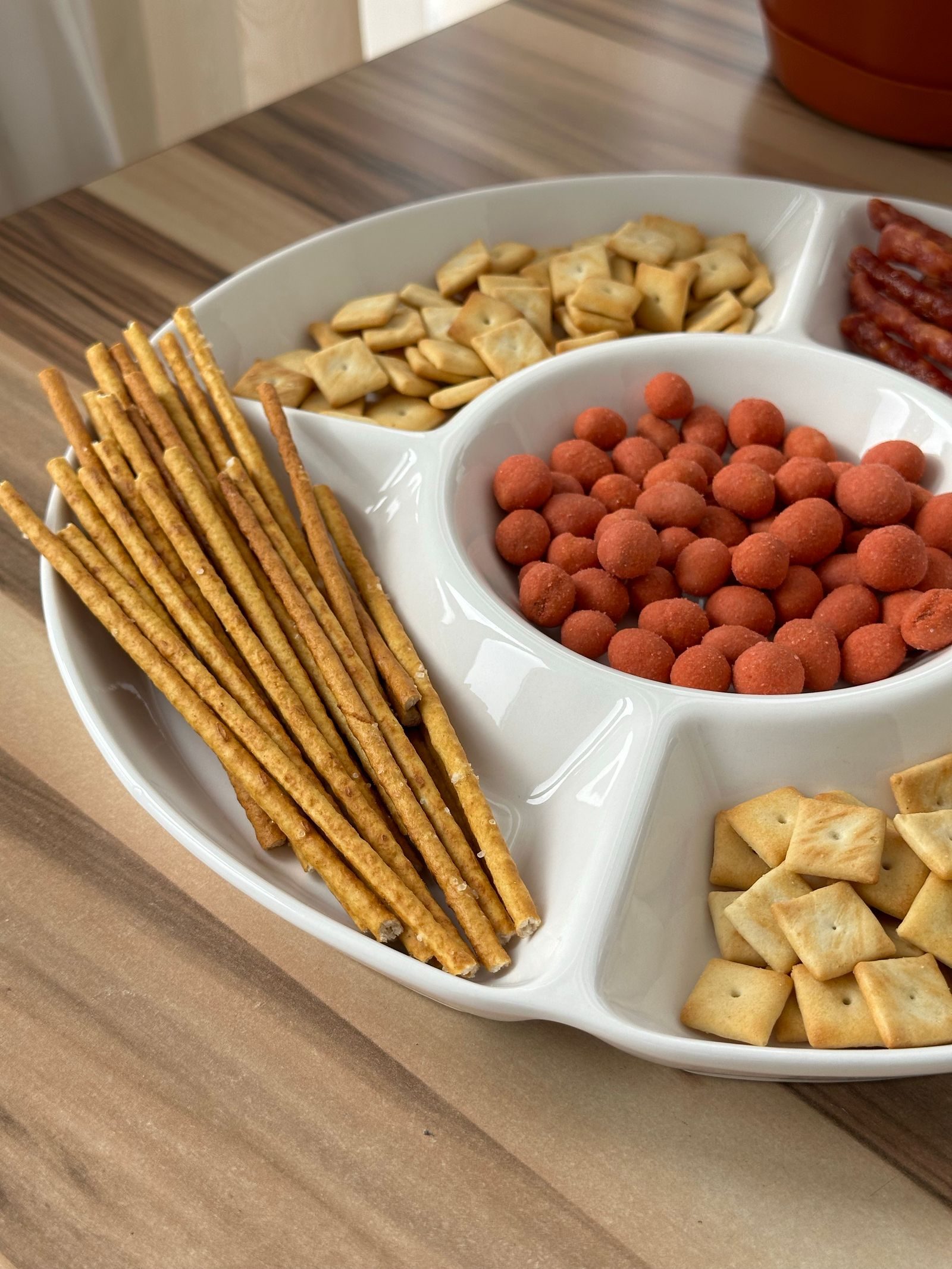
Is Food Addiction Real? Why Ultra-Processed Foods Are So Hard to Stop Eating
Why are some foods so hard to stop eating? What a controlled trial and a scientific review say about ultra-processed foods and food addiction.
Viivaa · Oct 23, 2026 · 5 min read

Does Gratitude Really Improve Wellbeing? What Clinical Trials Show
What randomised trials and meta-analyses show about gratitude practices for wellbeing, mood, sleep and healthy eating, and how to try one realistically.
Viivaa · Oct 23, 2026 · 6 min read

Can Learning New Things Make You Healthier? What Research Says About Health Literacy and Your Brain
Low health literacy is linked to poorer health, and nutrition knowledge to better diets. What studies show about learning and health, and how to start.
Viivaa · Oct 23, 2026 · 5 min read
Never miss a post.
Weekly tips, recipes, and motivation delivered to your inbox. No spam, ever.