

Bread, rice, pasta, potatoes, fruit: few foods have been blamed for as much as carbohydrates. Some diets cut them almost entirely, and many people now feel guilty about a bowl of oats or a slice of toast.
The research tells a more balanced story. "Carbs" covers everything from lentils to fizzy drinks, and the body handles them very differently. The quality of carbohydrate, and how processed it is, matters far more than whether a food contains carbs at all.
What counts as a carbohydrate?
Carbohydrates come in three main forms:
- Sugars, such as glucose, fructose (in fruit and honey) and lactose (in milk), as well as sugars added to foods and drinks.
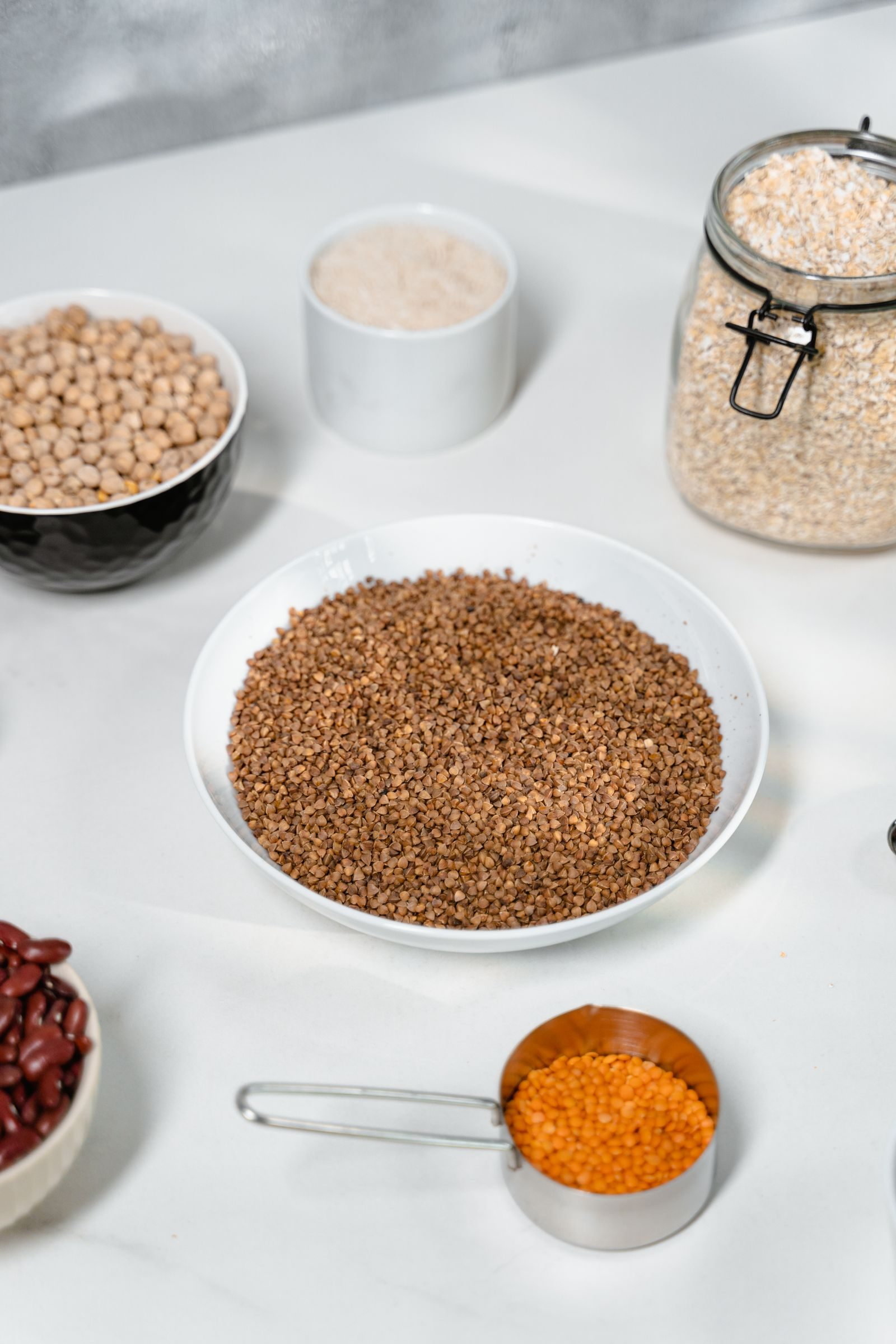
- Starches, found in grains, potatoes, beans and lentils.
- Fibre, the part of plant foods your own enzymes can't fully digest.
A whole apple, a bowl of lentils and a pastry all "contain carbs", but they come packaged with very different amounts of fibre, water, protein and fat.
What insulin actually does
Insulin often gets cast as the villain, but it's an essential hormone. After a meal, it signals three key tissues: skeletal muscle, the liver and fat tissue, coordinating how the body uses and stores fuel [1]. A detailed 2018 review describes how this system works normally, and how it goes wrong in insulin resistance, when those tissues respond less well to insulin's signal [1].
What drives insulin resistance? A 2017 review in Nature Medicine describes nutritional excess, meaning a chronic surplus of energy, as a major forerunner of type 2 diabetes [2]. In that setting the pancreas releases more insulin, while insulin's metabolic effects in the liver, muscle and fat tissue weaken [2]. The author also notes that the exact order of events between high insulin, weight gain and insulin resistance is still debated [2].
So the evidence points to the overall pattern, especially long-term energy surplus, rather than carbohydrate as a single cause.
Fibre and whole grains: the strongest evidence
The best evidence on carbohydrate quality comes from a 2019 series of systematic reviews and meta-analyses in The Lancet, funded in part by the WHO [3]. It combined 185 prospective studies (just under 135 million person-years of data) and 58 clinical trials with 4,635 adults [3].
The findings were striking:
- People who ate the most dietary fibre had a 15–30% lower risk of death from any cause and from cardiovascular disease, and lower rates of coronary heart disease, stroke, type 2 diabetes and colorectal cancer, than those who ate the least [3].
- In clinical trials, higher fibre intakes led to lower body weight, systolic blood pressure and total cholesterol [3].
- The greatest risk reduction was seen at around 25–29 g of fibre a day, and higher intakes might bring even more benefit [3].
- Whole grains showed similar findings [3].
The authors graded the certainty of evidence as moderate for fibre and low to moderate for whole grains. They concluded that eating more fibre and replacing refined grains with whole grains is expected to benefit health [3].
What about the glycaemic index?
The glycaemic index (GI) ranks foods by how quickly they raise blood glucose. The 2008 international GI tables list values for more than 2,480 foods [4]. Dairy products, legumes and fruits generally have a low GI. Breads, breakfast cereals and rice, including whole-grain versions, come in both high- and low-GI forms [4].
GI can be a helpful guide, but it isn't the whole picture. In the Lancet analysis, diets with a lower GI or glycaemic load showed smaller or no risk reductions compared with fibre, and the certainty of that evidence was low to very low [3]. Fibre and whole grains appear to be the more reliable markers of a good-quality carbohydrate.
Is sugar uniquely harmful?
Fructose is the sugar most often singled out. A 2018 study in Cell Metabolism used isotope tracing to follow where fructose goes in mice [5]. It found:
- The small intestine cleared about 90% of low doses of fructose, converting much of it to glucose and other compounds before it reached the liver [5].
- High doses overwhelmed the intestine, so fructose spilled over to the liver and the gut bacteria of the colon [5].
- Intestinal clearance worked better when the animals had been fed [5].
This was an animal study, so it can't tell us exact safe amounts for people. It does fit a sensible principle: the dose and the context matter. Sugar in a piece of fruit with a meal isn't the same as a large sugary drink on an empty stomach.
Processing matters as much as macronutrients
In a 2019 NIH study, 20 adults lived in a research centre and ate an ultra-processed diet for two weeks and an unprocessed diet for two weeks [6]. The meals offered were matched for calories, sugar, fat, fibre and other nutrients, and people could eat as much as they liked.
On the ultra-processed diet, participants ate about 508 more calories a day and gained 0.9 kg (2 lb). On the unprocessed diet, they lost 0.9 kg (2 lb) [6]. Because the diets offered similar nutrients, the level of processing itself seemed to change how much people ate.
Practical takeaways
- Don't fear carbs; choose them well. Quality matters more than quantity alone [3].
- Aim for around 25–29 g of fibre a day from vegetables, fruit, legumes, nuts and whole grains [3].
- Swap refined grains for whole grains: brown rice, oats, wholemeal bread or whole-wheat pasta [3].
- Use GI as a rough guide, not a rule. Legumes, dairy and most fruits are low-GI choices [4].
- Eat fruit whole and with meals, and keep sugary drinks occasional [5].
- Lean on minimally processed foods, which make it easier not to overeat [6].
- If you have diabetes or insulin resistance, work with your care team on the amount and timing of carbs that suits you [1][2].
One better choice at a time
You don't need to give up bread or fruit to eat well. Small swaps add up. Viivaa helps you build these healthy habits one small step at a time, so progress feels steady and sustainable.
This article is for general information only and isn't medical advice. If you have diabetes, prediabetes, a digestive condition or another medical condition, or take medication that affects blood sugar, please talk to your doctor or a registered dietitian before changing your diet.
References
- Petersen MC, Shulman GI. Mechanisms of insulin action and insulin resistance. Physiol Rev. 2018;98(4):2133–2223. https://doi.org/10.1152/physrev.00063.2017
- Czech MP. Insulin action and resistance in obesity and type 2 diabetes. Nat Med. 2017;23(7):804–814. https://doi.org/10.1038/nm.4350
- Reynolds A, Mann J, Cummings J, Winter N, Mete E, Te Morenga L. Carbohydrate quality and human health: a series of systematic reviews and meta-analyses. Lancet. 2019;393(10170):434–445. https://doi.org/10.1016/S0140-6736(18)31809-9
- Atkinson FS, Foster-Powell K, Brand-Miller JC. International tables of glycemic index and glycemic load values: 2008. Diabetes Care. 2008;31(12):2281–2283. https://doi.org/10.2337/dc08-1239
- Jang C, Hui S, Lu W, et al. The small intestine converts dietary fructose into glucose and organic acids. Cell Metab. 2018;27(2):351–361.e3. https://doi.org/10.1016/j.cmet.2017.12.016
- Hall KD, Ayuketah A, Brychta R, et al. Ultra-processed diets cause excess calorie intake and weight gain: an inpatient randomized controlled trial of ad libitum food intake. Cell Metab. 2019;30(1):67–77.e3. https://doi.org/10.1016/j.cmet.2019.05.008