
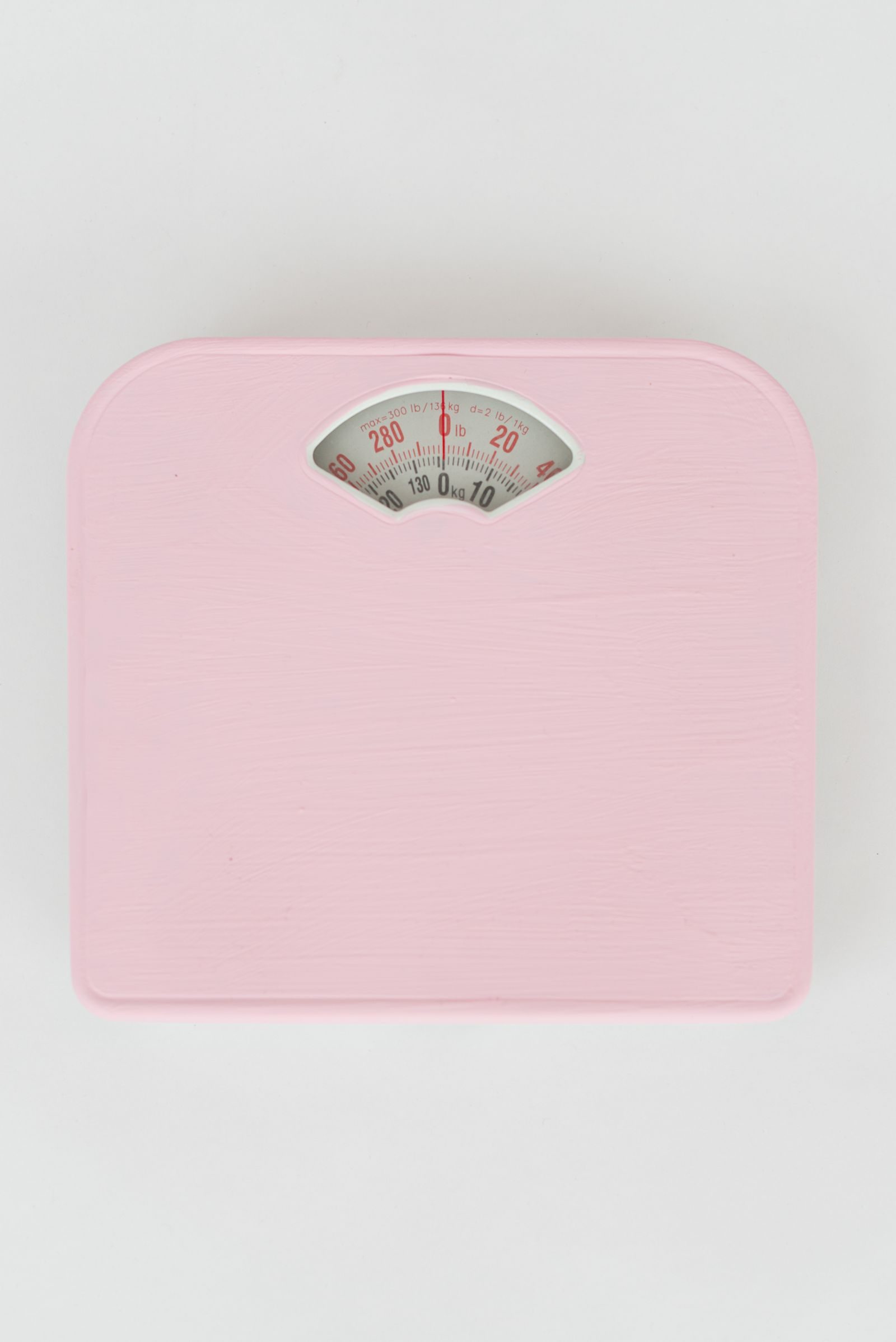
Few household objects stir up as many feelings as the bathroom scale. For some people, a daily weigh-in is a calm routine, like brushing their teeth. For others, one number can shape the mood of the whole day.
So should you weigh yourself every day? Once a week? Never? Let's look at what research says about tracking progress, and how to make the scale a useful tool rather than a judge.
Why tracking progress helps at all
Before we get to scales, it's worth asking a bigger question: does keeping an eye on your progress actually help you reach your goals?
A large 2016 meta-analysis brought together 138 studies with nearly 20,000 participants, in which people were randomly assigned to an intervention that encouraged them to monitor their progress toward a goal, or to a comparison group [1]. Interventions that boosted progress monitoring helped people reach their goals, and the increase in how often people monitored helped explain that benefit [1]. Monitoring had bigger effects when progress was physically recorded (for example written down or logged) or shared with others [1].
The goals weren't only about weight, but the lesson carries over: noticing where you are makes it easier to adjust.
Does daily weighing help with weight loss?
A 2015 systematic review and meta-analysis of randomized trials looked specifically at self-weighing [2]. The findings were nuanced [2]:
- Only one study tested self-weighing on its own, and it showed no clear benefit.
- When self-weighing was added to a broader behavioural weight loss programme, people lost about 1.7 kg (3.7 lb) more.
- Programmes that included self-weighing led to about 3.4 kg (7.5 lb) more weight loss than no or minimal intervention.
- There was no significant difference between weekly and daily weighing.
- Programmes that included accountability (someone else seeing your progress) led to greater weight loss.
In other words, the scale isn't magic by itself. It works best as one part of a bigger set of habits, and weekly may work just as well as daily.
Is daily weighing bad for your mental health?
This is a common worry, and an understandable one. A randomized controlled trial set out to test it directly [3]. Ninety-one adults with overweight were assigned either to a six-month weight loss programme built around daily self-weighing, or to a delayed-start comparison group [3].
The researchers found no significant differences between groups in depressive symptoms, binge eating, susceptibility to hunger, disinhibition or anorectic thinking [3]. In fact, the daily weighing group reported lower body dissatisfaction at six months, along with greater dietary restraint [3]. The authors concluded that, in this group of adults trying to lose weight, daily self-weighing didn't cause adverse psychological outcomes [3].
That's reassuring, but it's one study in one group of people. If you have a history of disordered eating, or if weighing yourself leaves you anxious or upset, it's completely reasonable to skip the scale and talk to a health professional about what kind of tracking feels safe for you.
Self-monitoring more broadly
Weighing is just one kind of self-monitoring. A systematic review of 22 behavioural weight loss studies looked at self-monitoring of diet, exercise and weight [4]. It found a consistent association between self-monitoring and weight loss [4]. The authors were upfront about limitations, though: the level of evidence was weak because of how the studies were designed, most relied on self-report, and the samples were mostly white women [4].
So tracking appears helpful, but we still don't know exactly how much, how often, or for whom it works best.
Read the trend, not the day
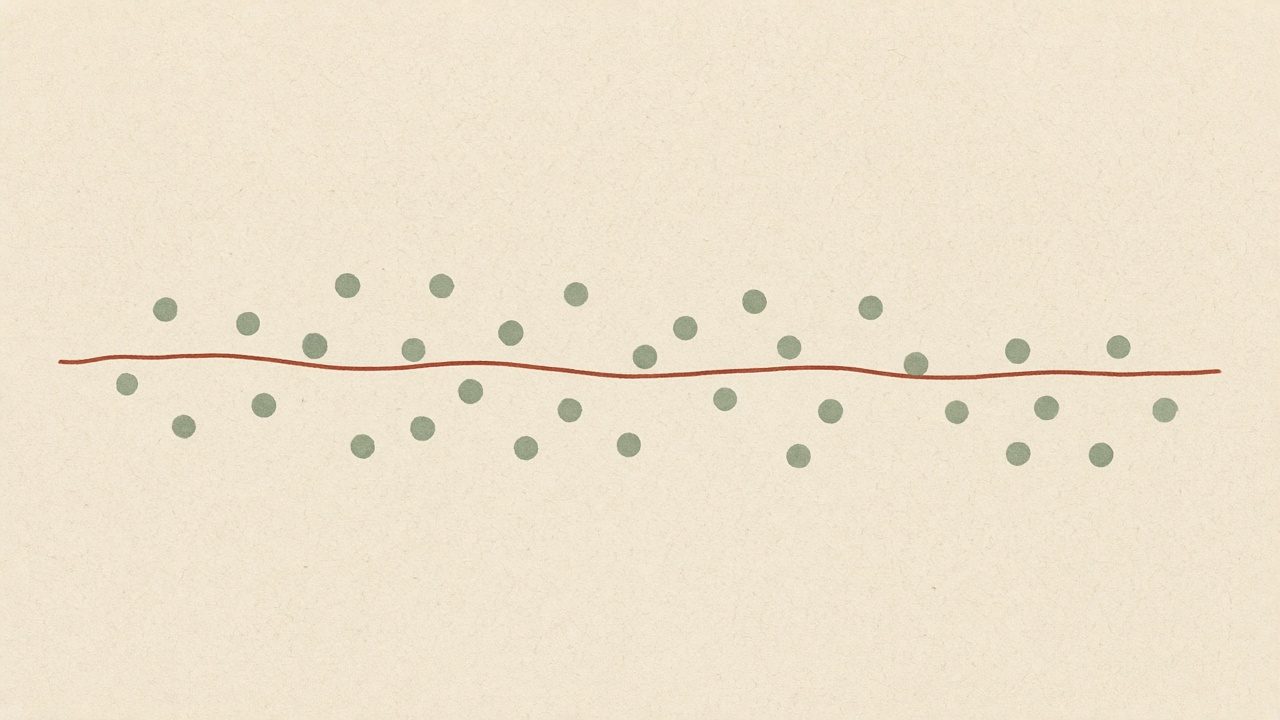
Day-to-day weight naturally bounces around, so one reading on its own doesn't say much. Looking at the overall direction over a few weeks gives you a far more honest picture than any single morning. If you weigh daily, a weekly average can smooth out the noise.
Other progress signals worth noticing
The scale tells you one thing. Your habits tell you a lot more.
Protein at meals. A review of the research on protein and weight management suggested that higher-protein diets with about 1.2 to 1.6 g of protein per kg of body weight per day, potentially including around 25 to 30 g per meal, may improve appetite, weight management and cardiometabolic risk factors [5]. The authors noted that sticking with the diet over time is the main challenge [5]. If you have a medical condition, check with your doctor before changing how much protein you eat.
Sleep. A review of diet and sleep found early evidence that some dietary patterns and specific foods, such as milk, fatty fish, tart cherry juice and kiwifruit, may support better sleep, though the authors said more studies are needed to confirm this [6].
How you feel. Energy, mood, how your clothes fit and how easily you climb the stairs are all valid signs of progress.
Practical takeaways
- Pick a rhythm that feels okay. Daily and weekly weighing showed similar results in the research [2].
- Weigh under similar conditions. Same time, same scale, similar clothing.
- Write it down. Physically recording progress boosted its effect on goal attainment [1].
- Focus on the trend. Weekly averages are more meaningful than single days.
- Pair the scale with habits. Weighing worked best as part of a wider programme [2].
- Track more than weight. Protein, sleep and how you feel all count.
- Step back if it hurts. If weighing makes you anxious, pause and talk to a professional.
Building habits that last
Progress is easier to see when you track the habits behind it, not just the number on the scale. Viivaa helps you build these healthy habits one small step at a time, so progress feels steady and sustainable.
This article is for general information only and isn't medical advice. If you have a history of disordered eating, a medical condition, or concerns about your weight, please talk to your doctor or another qualified health professional.
References
- Harkin B, Webb TL, Chang BP, et al. Does monitoring goal progress promote goal attainment? A meta-analysis of the experimental evidence. Psychol Bull. 2016;142(2):198–229. https://doi.org/10.1037/bul0000025
- Madigan CD, Daley AJ, Lewis AL, Aveyard P, Jolly K. Is self-weighing an effective tool for weight loss: a systematic literature review and meta-analysis. Int J Behav Nutr Phys Act. 2015;12:104. https://doi.org/10.1186/s12966-015-0267-4
- Steinberg DM, Tate DF, Bennett GG, Ennett S, Samuel-Hodge C, Ward DS. Daily self-weighing and adverse psychological outcomes: a randomized controlled trial. Am J Prev Med. 2014;46(1):24–29. https://doi.org/10.1016/j.amepre.2013.08.006
- Burke LE, Wang J, Sevick MA. Self-monitoring in weight loss: a systematic review of the literature. J Am Diet Assoc. 2011;111(1):92–102. https://doi.org/10.1016/j.jada.2010.10.008
- Leidy HJ, Clifton PM, Astrup A, et al. The role of protein in weight loss and maintenance. Am J Clin Nutr. 2015;101(6):1320S–1329S. https://doi.org/10.3945/ajcn.114.084038
- St-Onge MP, Mikic A, Pietrolungo CE. Effects of diet on sleep quality. Adv Nutr. 2016;7(5):938–949. https://doi.org/10.3945/an.116.012336