
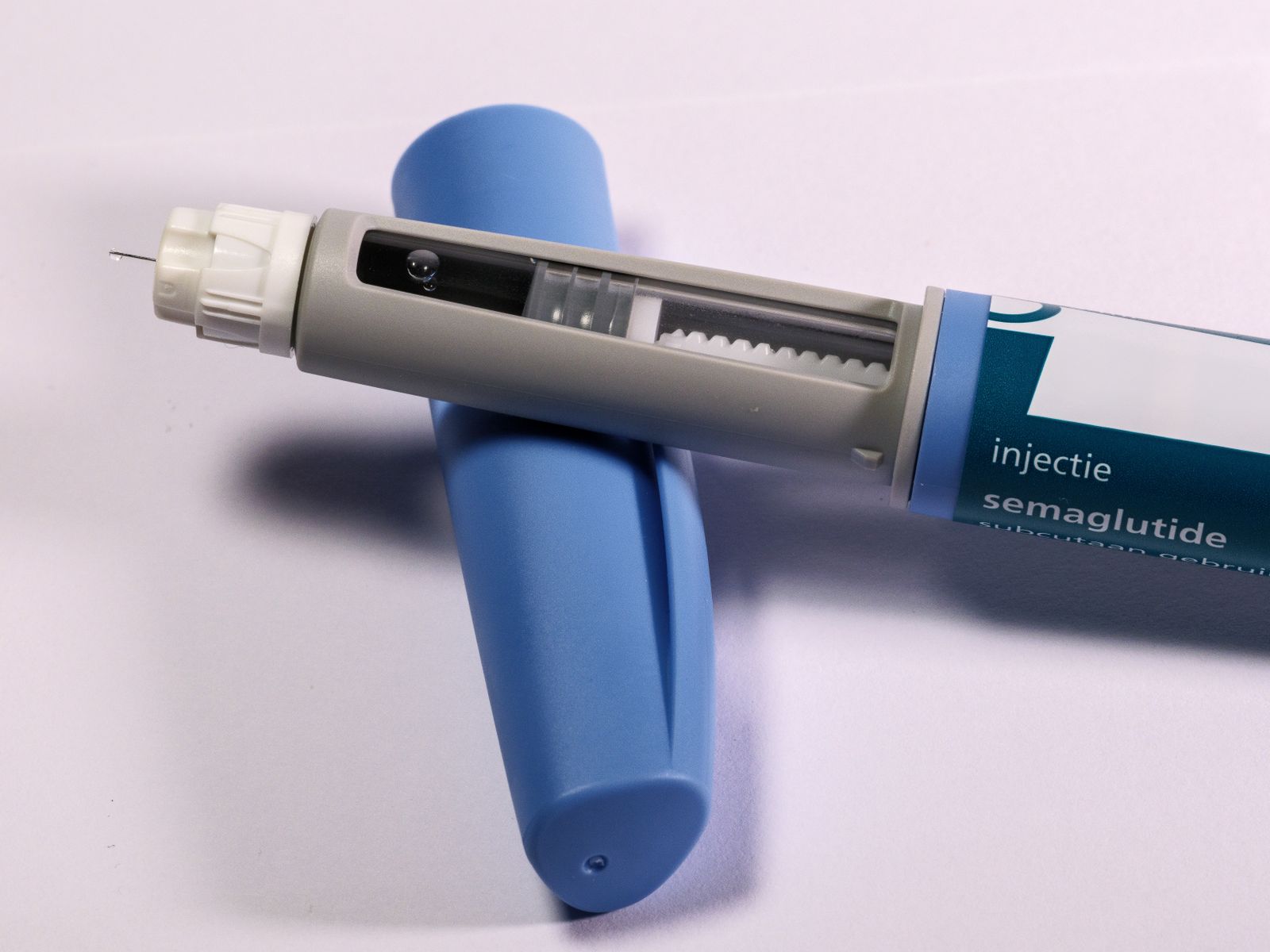
GLP-1 medicines such as semaglutide have changed obesity treatment. They can help people lose a meaningful amount of weight, and one of them now has a proven heart benefit. Like every effective medicine, they also have side effects, some common and some rare.
This article doesn't argue for or against these drugs. It lays out what the evidence and the official prescribing information say, so you can have a better-informed conversation with your doctor.
How GLP-1 medicines work
GLP-1 (glucagon-like peptide-1) is a hormone your gut releases after you eat. It helps regulate blood sugar, slows the rate at which the stomach empties and acts on brain areas involved in appetite. GLP-1 receptor agonists are medicines that mimic this hormone, with effects that last much longer than the natural signal [1]. The result, for many people, is feeling full sooner and thinking about food less.
The benefits: what the big trials show
In the STEP 1 trial, 1,961 adults with obesity, or with overweight plus at least one weight-related condition, and without diabetes received weekly semaglutide 2.4 mg or placebo for 68 weeks, alongside lifestyle support. Average weight change was −14.9% with semaglutide versus −2.4% with placebo, and about half of the semaglutide group (50.5%) lost 15% or more of their body weight [2].
The SELECT trial asked a different question: can semaglutide prevent heart attacks and strokes? It enrolled 17,604 adults aged 45 or older with existing cardiovascular disease and a BMI of 27 or more, but no diabetes. Over a mean follow-up of about 40 months, a major cardiovascular event (cardiovascular death, non-fatal heart attack or non-fatal stroke) occurred in 6.5% of the semaglutide group versus 8.0% with placebo, a 20% relative reduction (hazard ratio 0.80) [3].
Based on this trial, in March 2024 the US Food and Drug Administration (FDA) approved Wegovy to reduce the risk of cardiovascular death, heart attack and stroke in adults with cardiovascular disease and either obesity or overweight. The FDA described it as the first weight-loss medication approved for this purpose [4].
The most common side effects
The most frequent side effects are digestive. The current US prescribing information for Wegovy lists nausea, diarrhoea, vomiting, constipation, abdominal pain, headache, fatigue, indigestion, dizziness, bloating, belching, flatulence and reflux among the most common reactions, along with low blood sugar in people with type 2 diabetes [5].
In STEP 1, nausea and diarrhoea were the most common adverse events. They were typically mild to moderate, temporary and eased with time. Still, 4.5% of people on semaglutide stopped treatment because of digestive side effects, compared with 0.8% on placebo [2]. In SELECT, which ran for longer, 16.6% of the semaglutide group and 8.2% of the placebo group stopped the drug permanently because of adverse events [3].
This is one reason the dose is increased gradually rather than started at full strength [5].
Rarer but serious risks
The prescribing information includes several warnings that are worth knowing about [5]:
- Thyroid C-cell tumours (boxed warning). Semaglutide caused these tumours in rodents. It is unknown whether it causes them in humans, but it should not be used by people with a personal or family history of medullary thyroid carcinoma or with a rare condition called MEN 2.
- Pancreatitis. Inflammation of the pancreas has been observed; the drug should be stopped if it's suspected.
- Gallbladder problems, including gallstones.
- Severe gastrointestinal reactions. The drug is not recommended for people with severe gastroparesis (very slow stomach emptying).
- Kidney injury related to dehydration from vomiting or diarrhoea.
- Allergic reactions, low blood sugar when combined with insulin or certain diabetes drugs, a faster heart rate, eye complications in people with diabetic retinopathy, and a risk of inhaling stomach contents during anaesthesia, which is why you should tell your care team about any planned procedure.
The label also says the drug may harm an unborn baby and should be stopped at least two months before a planned pregnancy [5].

What do studies outside the trials show?
Trials are not always large or long enough to capture rare events. Two studies help fill that gap.
A 2023 analysis of US health-insurance claims compared people without diabetes who were prescribed semaglutide or liraglutide for weight loss (4,757 people) with 654 people prescribed bupropion-naltrexone, a different weight-loss drug. GLP-1 use was linked to a higher risk of pancreatitis (adjusted hazard ratio 9.09), bowel obstruction (4.22) and gastroparesis (3.67), but not biliary disease [6]. The confidence intervals were very wide, for pancreatitis from 1.25 to 66, because the events were rare, and the authors stressed that these events, though rare, deserve consideration [6].
For the gallbladder, a 2022 meta-analysis of 76 randomised trials with 103,371 patients found that GLP-1 receptor agonists increased the risk of gallbladder or biliary disease by 37% overall (relative risk 1.37). The increase was larger in trials using them for weight loss (relative risk 2.29), at higher doses and with longer treatment [7]. It's worth asking your doctor which symptoms to watch for.
What about mood?
Earlier labels for weight-loss GLP-1 medicines carried a warning about suicidal thoughts and behaviour, based largely on older weight-loss drugs. In January 2026, after a meta-analysis of 91 placebo-controlled trials with 107,910 patients and a large US claims study, the FDA reported no increased risk and asked manufacturers to remove that warning [8]. It still advises anyone with new or worsening depression or unusual mood changes to tell their healthcare professional [8].
What happens when you stop?
GLP-1 medicines work while you take them. In an extension of STEP 1, people who stopped semaglutide regained about two-thirds of the weight they had lost within a year, and most cardiometabolic improvements drifted back towards baseline [9]. The researchers concluded that obesity behaves like a chronic condition that may need ongoing treatment [9].
A note on lawsuits
In February 2024, a US federal judicial panel centralised product-liability lawsuits about GLP-1 medicines and gastrointestinal injuries into a single case group (MDL No. 3094) in the Eastern District of Pennsylvania. Lawsuits contain allegations; they are not scientific or legal findings, and this article takes no position on them.
In practice: questions to bring to your doctor
- Do the expected benefits outweigh the risks in my situation?
- Does my personal or family history (thyroid cancer, pancreatitis, gallstones, stomach-emptying problems) affect whether this is right for me?
- How will we manage nausea or other digestive side effects?
- What should I do before surgery or a procedure, or if I'm planning a pregnancy?
- What's the plan for nutrition, protein and activity to protect muscle, and what happens if I stop?
Medicine works best alongside habits
Whatever you decide with your doctor, daily habits around eating, movement and sleep still matter. Viivaa helps you build these healthy habits one small step at a time, so progress feels steady and sustainable.
This article is for general information only and isn't medical advice. Never start, stop or change a prescription medicine without talking to your doctor. If you have severe abdominal pain, persistent vomiting, a lump in your neck or signs of an allergic reaction while taking a GLP-1 medicine, seek medical care promptly.
References
- Drucker DJ. GLP-1 physiology informs the pharmacotherapy of obesity. Mol Metab. 2022;57:101351. https://doi.org/10.1016/j.molmet.2021.101351
- Wilding JPH, Batterham RL, Calanna S, et al. Once-weekly semaglutide in adults with overweight or obesity. N Engl J Med. 2021;384(11):989–1002. https://doi.org/10.1056/NEJMoa2032183
- Lincoff AM, Brown-Frandsen K, Colhoun HM, et al. Semaglutide and cardiovascular outcomes in obesity without diabetes. N Engl J Med. 2023;389(24):2221–2232. https://doi.org/10.1056/NEJMoa2307563
- U.S. Food and Drug Administration. FDA approves first treatment to reduce risk of serious heart problems specifically in adults with obesity or overweight [news release]. March 8, 2024. https://www.fda.gov/news-events/press-announcements/fda-approves-first-treatment-reduce-risk-serious-heart-problems-specifically-adults-obesity-or
- Novo Nordisk. Wegovy (semaglutide) injection and tablets: US prescribing information. Revised 02/2026. https://www.accessdata.fda.gov/drugsatfda_docs/label/2026/215256s033lbl.pdf
- Sodhi M, Rezaeianzadeh R, Kezouh A, Etminan M. Risk of gastrointestinal adverse events associated with glucagon-like peptide-1 receptor agonists for weight loss. JAMA. 2023;330(18):1795–1797. https://doi.org/10.1001/jama.2023.19574
- He L, Wang J, Ping F, et al. Association of glucagon-like peptide-1 receptor agonist use with risk of gallbladder and biliary diseases: a systematic review and meta-analysis of randomized clinical trials. JAMA Intern Med. 2022;182(5):513–519. https://doi.org/10.1001/jamainternmed.2022.0338
- U.S. Food and Drug Administration. FDA requests removal of suicidal behavior and ideation warning from glucagon-like peptide-1 receptor agonist (GLP-1 RA) medications [Drug Safety Communication]. January 2026. https://www.fda.gov/drugs/drug-safety-communications/fda-requests-removal-suicidal-behavior-and-ideation-warning-glucagon-peptide-1-receptor-agonist-glp
- Wilding JPH, Batterham RL, Davies M, et al. Weight regain and cardiometabolic effects after withdrawal of semaglutide: the STEP 1 trial extension. Diabetes Obes Metab. 2022;24(8):1553–1564. https://doi.org/10.1111/dom.14725